Paul Castles

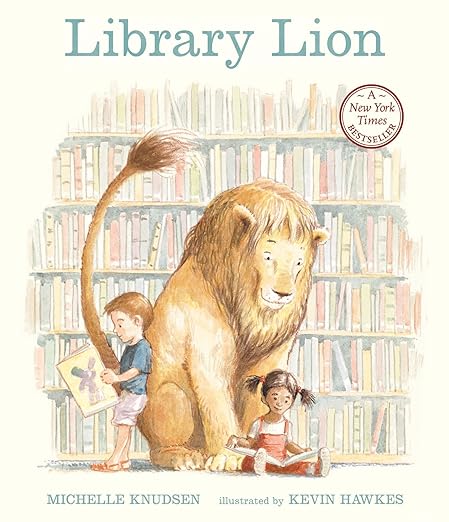
The Library Lion

Karen S. Emmerman is PLATO’s Education Director. When my son was in elementary school, there was an alarming incident in one of the classrooms. A teacher had a cerebral event that led to her acting very strangely. The young students knew something was wrong, but when two asked to get help outside the room the The Library Lion

Through Mental Prisms: What Online Learning Taught Me About Ethics and Justice

Aanya Padhi is a sophomore at Monta Vista High School in Cupertino, California. She is interested in applied ethics and political philosophy and is active in advocacy work to overturn wrongful convictions and address prosecutorial misconduct.    A few months ago, I started becoming more interested in political philosophy because I realized it connected two Through Mental Prisms: What Online Learning Taught Me About Ethics and Justice

We Are in a Book!

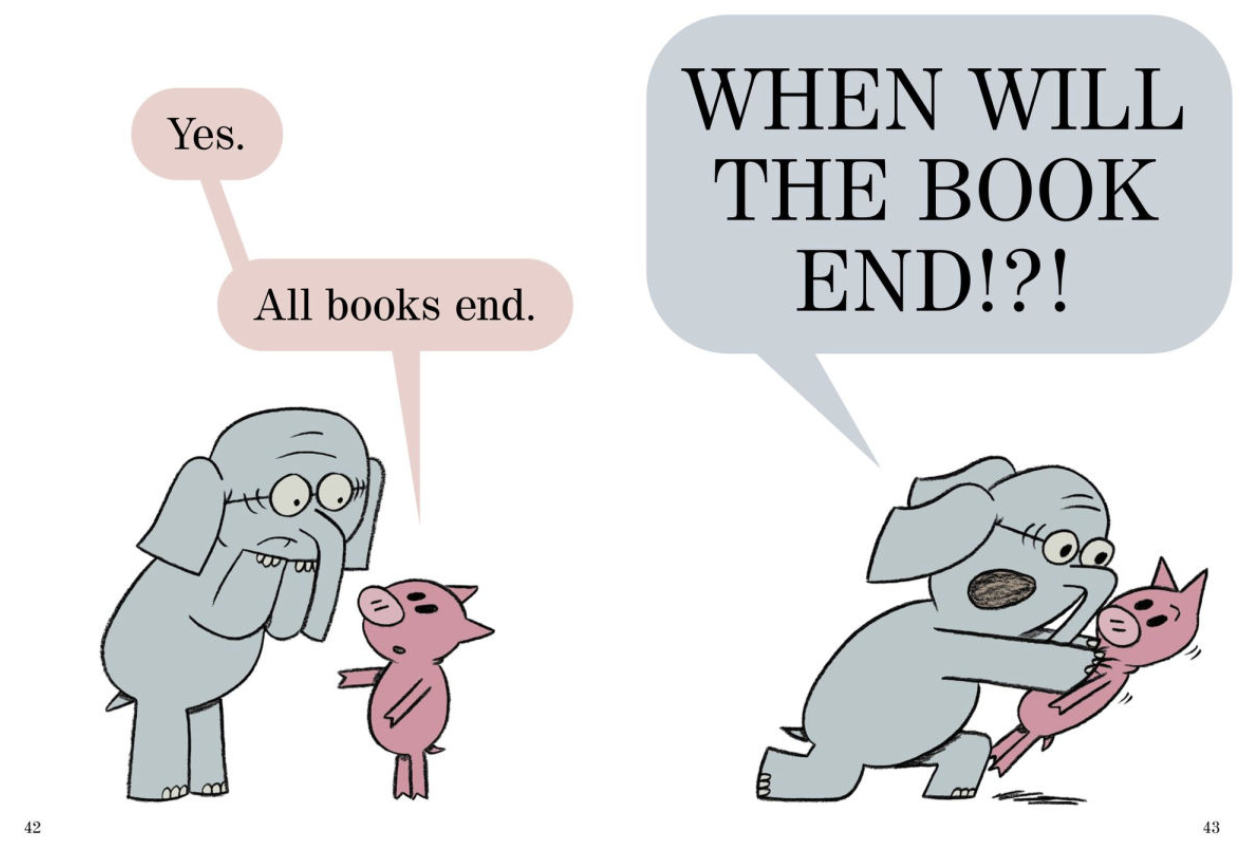
Jana Mohr Lone is PLATO’s Executive Director. “The age of five is the most philosophical age you can be.”– Mo Willems  Mo Willems’ We Are in a Book! raises in a playful way some of the deepest questions of epistemology and metaphysics, including questions about reality, identity, knowledge, the relationship between the mind and the We Are in a Book!

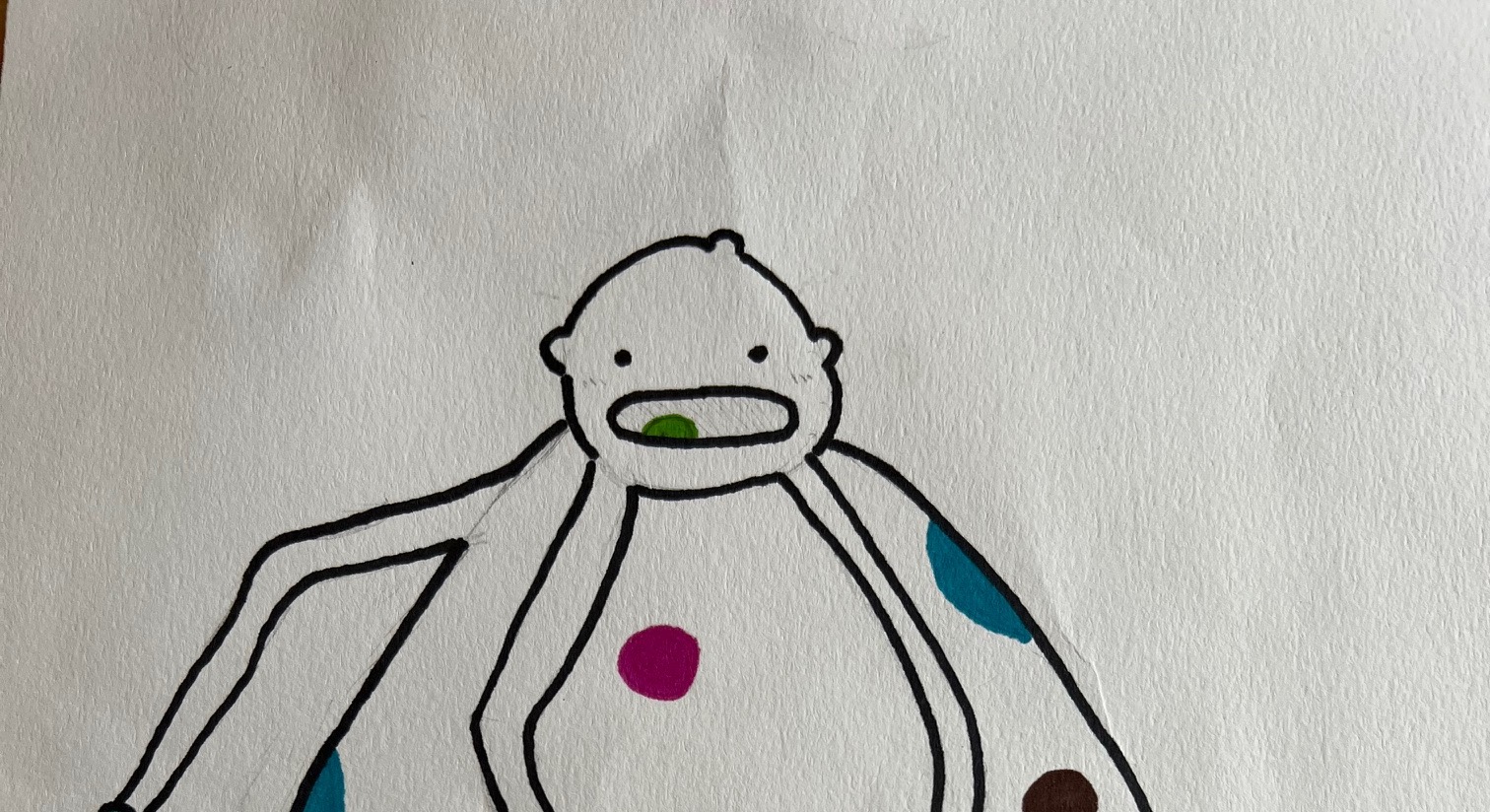
Monster at School

Karen S. Emmerman is PLATO’s Education Director. Thinking philosophically requires, among other things, developing a set of philosophical skills. Doing philosophy in elementary schools (students between 5 and 11 years old) for over a decade has drawn my attention to just how important it is to help young people build these skills. For the youngest Monster at School

Philosophy in the Music Classroom: The Interplay of Notes and Ideas

Justin Lader is Assistant Professor and Director of Music Education at Pacific Lutheran University in Tacoma, Washington. Aside from advocating for philosophy in music education, he researches how musicians form motor memories. Seven years ago, I began experimenting with philosophy for young people in the music classroom. Over these years, I have worked to incorporate Philosophy in the Music Classroom: The Interplay of Notes and Ideas

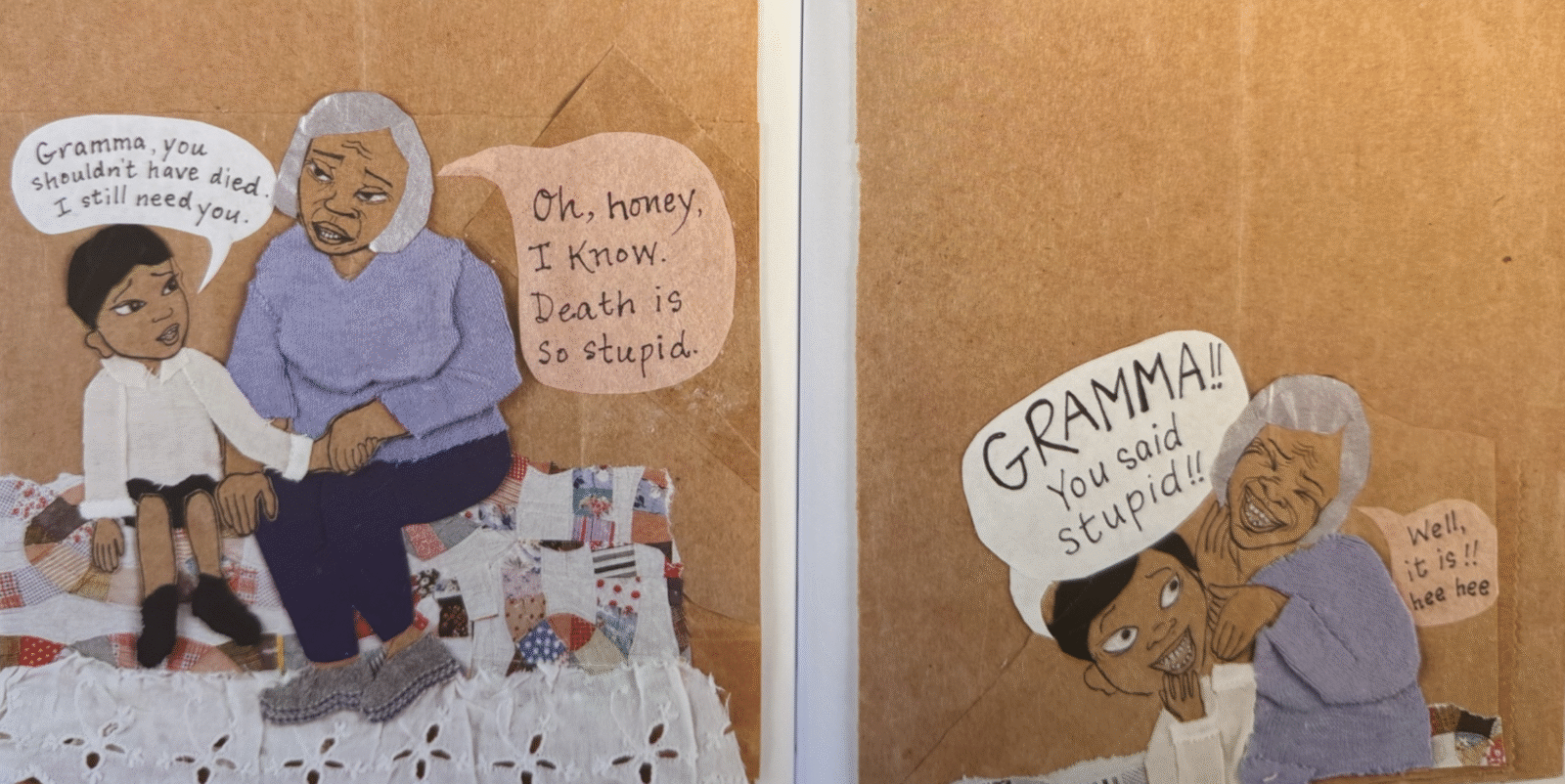
Death is Stupid

Jana Mohr Lone is PLATO’s Executive Director. Many children wonder about death, and many adults find it difficult to respond to their questions and fears. In the United States, we don’t discuss death very much. The subject tends to be uncomfortable and anxiety-producing for people, and the experience of losing a loved one is often Death is Stupid

Philosophy Can Help Us Find Our Purpose

Amna, a high school graduate from a small city in Pakistan, describes herself as “a certified misfit who never really fit into the system.” She loves watching documentaries and having deep, random conversations about life, exploring the “whys” behind everything.    I didn’t always think about purpose. For most of my school years, life was Philosophy Can Help Us Find Our Purpose

My Love for Philosophy

Sid is a PLATO Student Advisory Council member. He lives in Illinois and is a homeschooled senior planning to major in philosophy. When I disclose my interest in philosophy, I’ve often been asked “Why are you studying philosophy?” or “What benefits and applications does philosophy have?”  Answering these questions might provide insight to why anybody My Love for Philosophy

Studying Thinking Itself: What I Learned at Fifteen in a College Philosophy Class

Aanya Padhi is a sophomore at Monta Vista High School in Cupertino, California. She is interested in applied ethics and political philosophy and is active in advocacy work to overturn wrongful convictions and address prosecutorial misconduct.  Last year, as a high school freshman, I signed up for an Introduction to Philosophy class at my local Studying Thinking Itself: What I Learned at Fifteen in a College Philosophy Class