Paul Castles

Musical Philosophers: The Power of Integrating Philosophy of Music into an Elementary School Music Curriculum
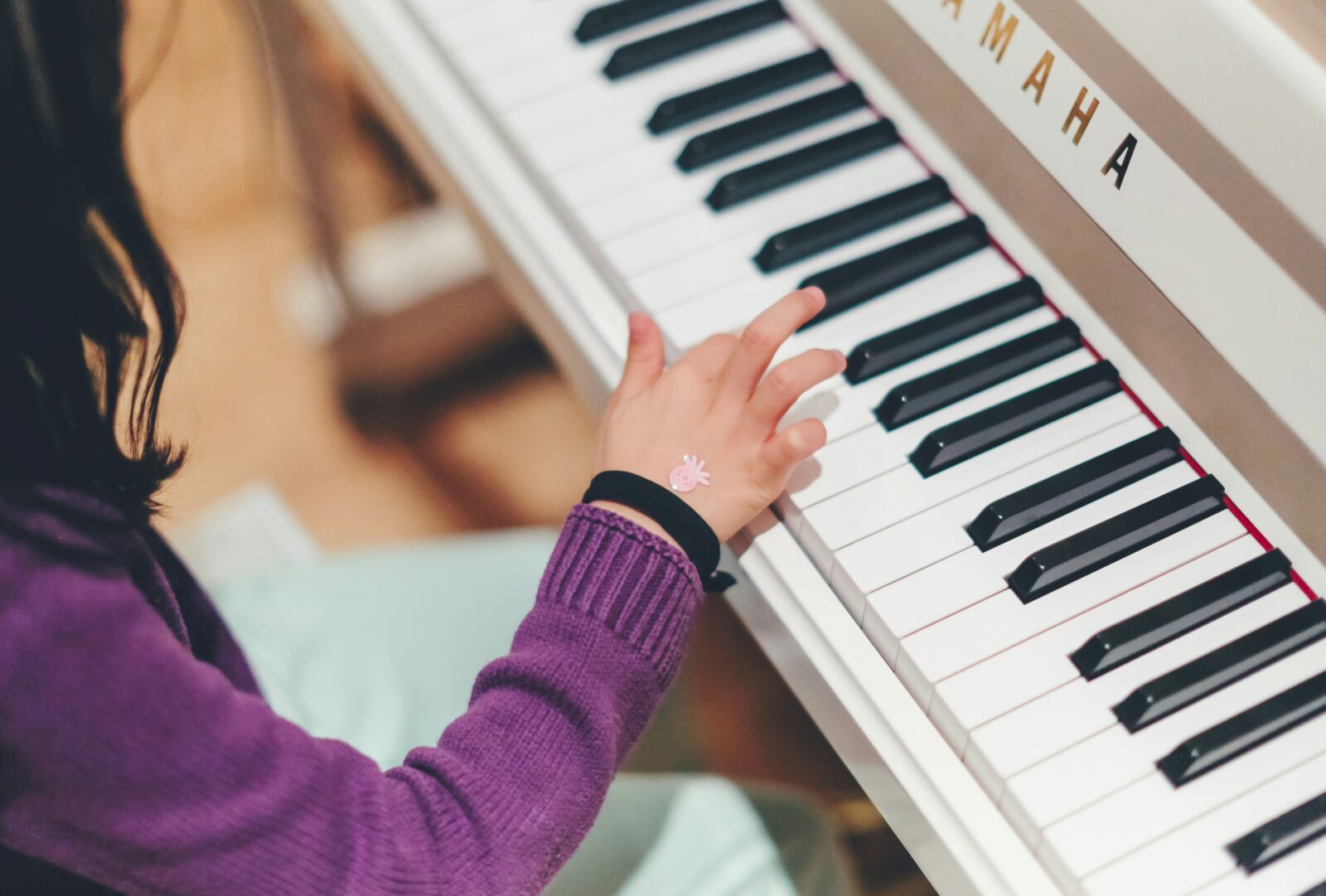
Ellen T. Sirower, a doctoral student in piano performance at the University of Texas at Austin and a PLATO Philosopher in Residence, maintains a busy performing and teaching schedule while writing her dissertation on teaching musical interpretation of post-tonal piano repertoire.  It is no secret to the PLATO community that children are natural philosophers. They often hold Musical Philosophers: The Power of Integrating Philosophy of Music into an Elementary School Music Curriculum

Embracing Difficult Conversations:  The Intersection of Ethics and Civics Education

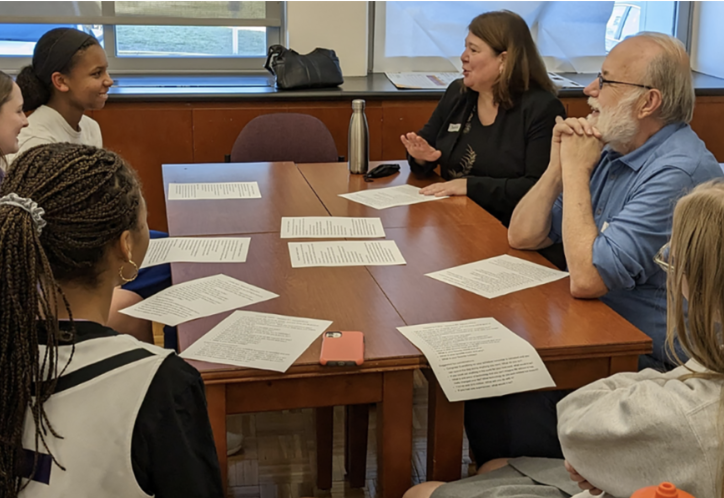
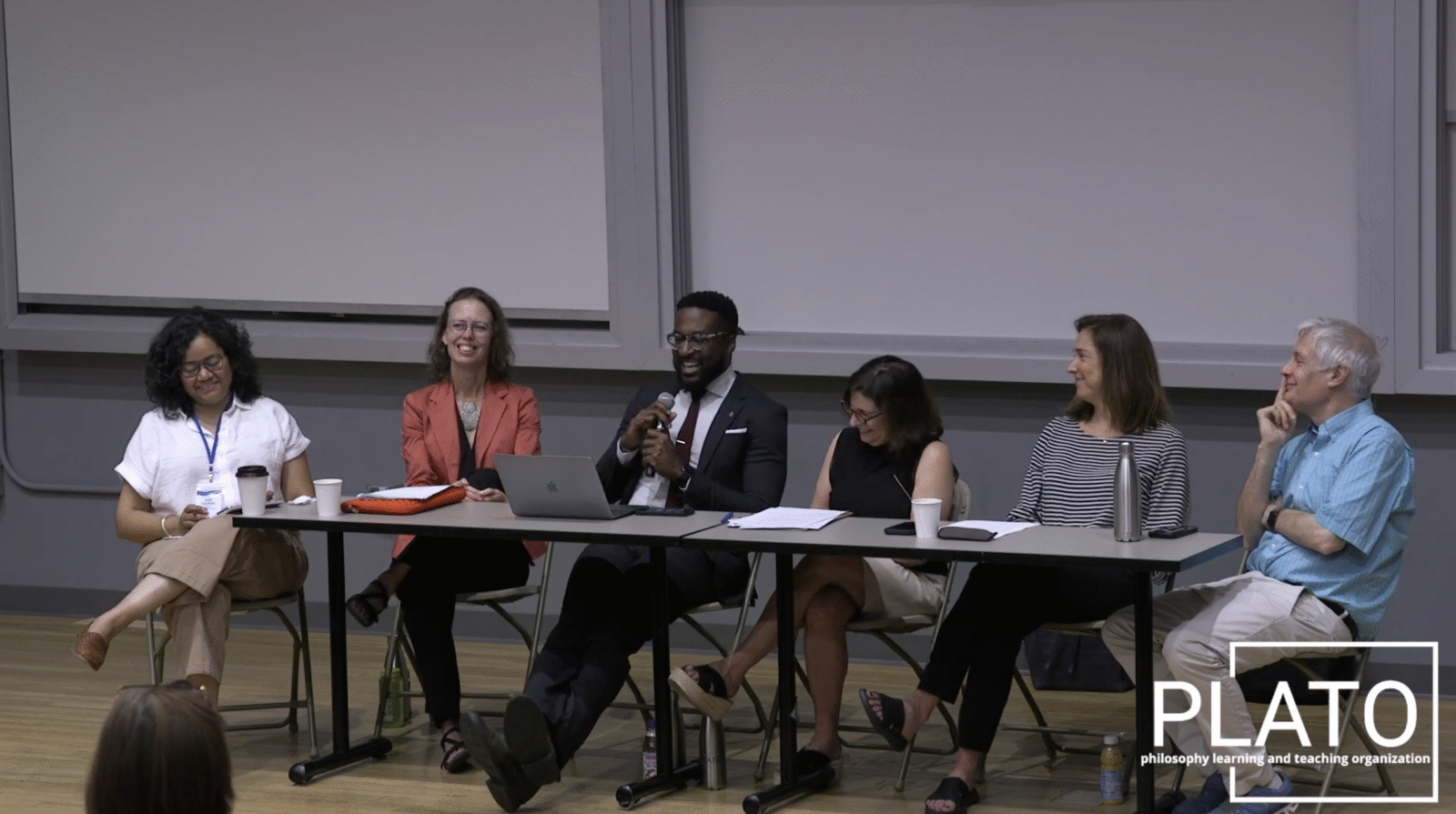
A panel discussion highlighting PLATO’s 7th Biennial Conference at Tufts University (June 2025) convened five philosophers and educators.  Their exchange focused on how we talk to each other about issues that divide us, both in and outside of the classroom.  One overarching theme emerged: to engage in productive, meaningful conversations, conversations that broaden perspectives and Embracing Difficult Conversations:  The Intersection of Ethics and Civics Education

Seeing Vultures, Smelling Sage, and Touching Pinecones: Environmental Philosophy in Elementary School

Shoshana McIntosh is a philosophy PhD student and teaching fellow at the University of North Texas and a PLATO Fellow. Can trees make decisions? Why do people litter if they know it harms the environment? Are we responsible for making sure wild animals have enough space? Why do we think vultures are scary? What should Seeing Vultures, Smelling Sage, and Touching Pinecones: Environmental Philosophy in Elementary School

New to Ethics Bowl

Mary Lee is a junior at Skyline High School in Sammamish, WA. My name is Mary Lee, and I’m a junior at Skyline High School in Sammanish, WA. In March 2025, I was on a team that competed in the Washington State Ethics Open, a variation of the state Ethics Bowl, hosted by PLATO. Sophia New to Ethics Bowl

Advocacy and Civic Renewal

Dr. Peter Levine is professor of philosophy and political science, and Associate Dean for Academic Affairs and Lincoln Filene Professor of Citizenship & Public Affairs at Tufts University’s Jonathan M. Tisch College of Civic Life.    Peter will join us at the PLATO conference as a member of the Saturday morning (June 28th) plenary panel.  Advocacy and Civic Renewal

Philosophy for Children in India:  The Changing Landscape

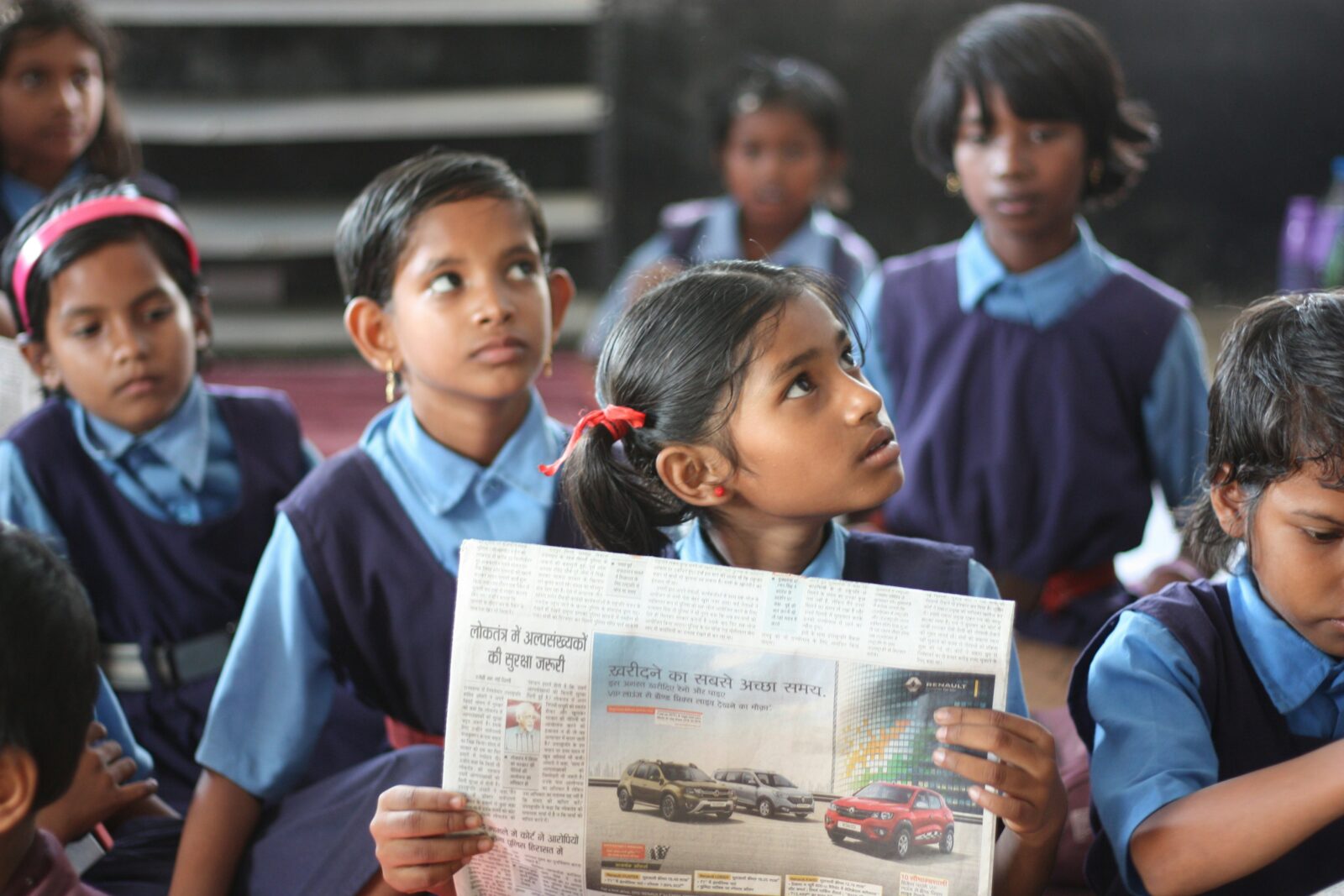
Rhea Kuthoore is promoting philosophy with children in India, and researching philosophy in children’s literature from an Indian context.  She has degrees in philosophy and childhood studies.   For the last six years, I have been slowly and steadily trying to expand philosophy with children in India. I would describe my experience as idiosyncratic; the Philosophy for Children in India:  The Changing Landscape

Like a River

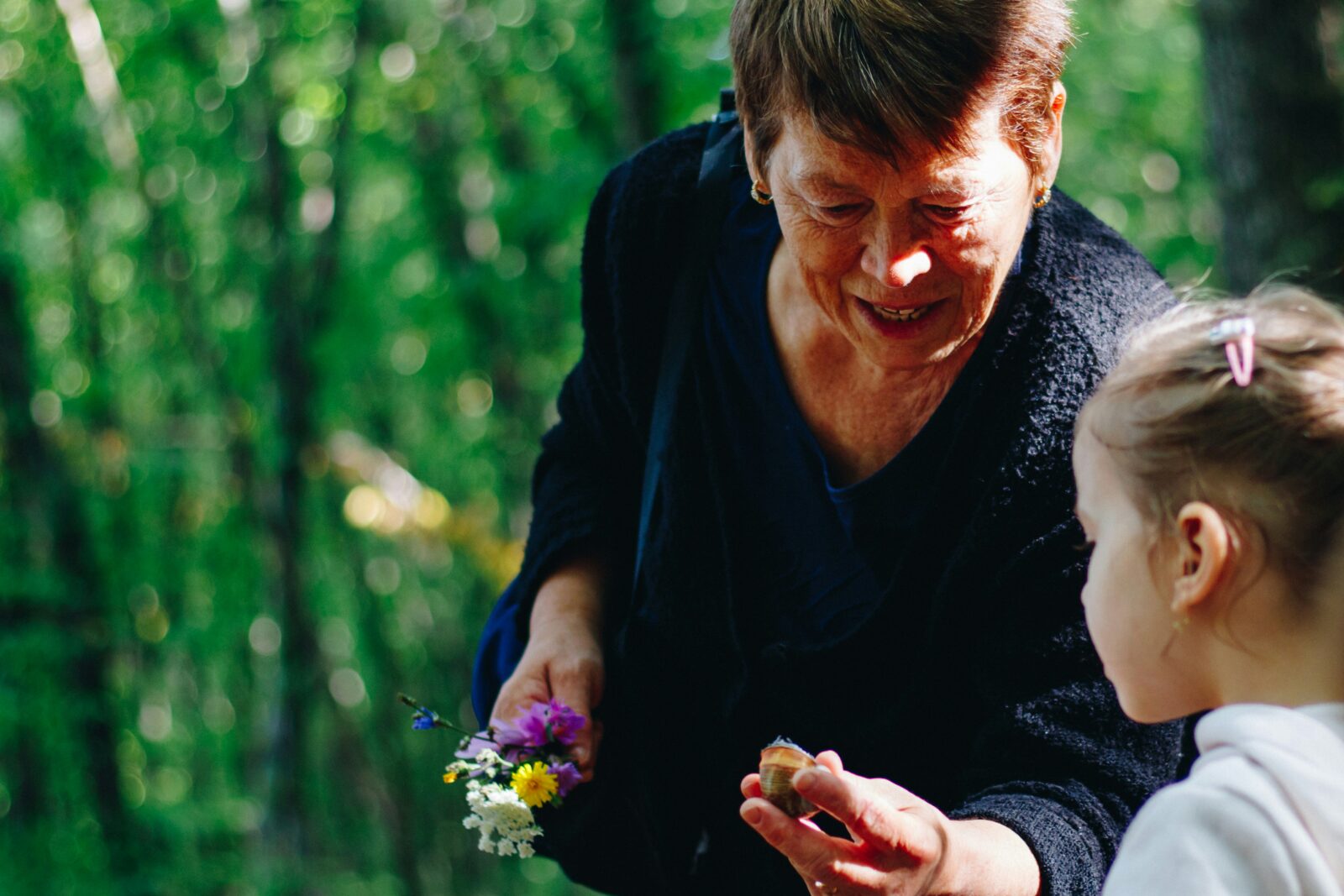
Roberta Israeloff, PLATO’s co-founder and Board secretary, directs the Squire Family Foundation.  Her most recent book, What Went Right:  Lessons from Both Sides of the Teacher’s Desk was co-wriitten with George McDermott, her 10th grade English teacher.      Like a River We like to walk, my granddaughter and I.  We walk down the block, Like a River

Delicate Dancing:  Creating a Shared Language 

Meet Winston C. Thompson: William H. and Laceryjette V. Casto Professorship in Interprofessional Education; Associate Professor, Educational Studies; Associate Professor, Philosophy (by courtesy); Co-director, Center for Ethics and Human Values, Ohio State University. The Saturday plenary session at the upcoming PLATO Conference will open with a panel discussion: “Embracing Difficult Conversations: The Intersection of Ethics Delicate Dancing:  Creating a Shared Language 

Philosophy Across the Ages:  Should Artists’ Ethics Affect Our Artistic Judgements?

Debi Talukdar is PLATO’s Program Director and an adjunct lecturer for online courses at the University of Washington School of Educational Studies.  A few months ago, PLATO hosted its first online Philosophy Across the Ages event.  It invited high school students and adults to engage in a discussion on the relationship, if any, of an Philosophy Across the Ages:  Should Artists’ Ethics Affect Our Artistic Judgements?