Children’s Literature

A Wrinkle in Time

I love this book. A science fiction young adult novel by Madeleine L’Engle, A Wrinkle in Time was first published in 1962 and has won all kinds of awards. In the engrossing story, packed with philosophical questions, three children travel through the universe by means of “tesseract,” a fifth-dimensional phenomenon explained as being the square A Wrinkle in Time

Harry Potter

Over the past two weeks I’ve been re-reading the seven Harry Potter novels. A lovely way to spend long summer afternoons. I’ve been thinking how much fun it would be to teach a year-long course that involved reading and talking about all of the novels, perhaps to fifth or sixth grade students. The stories are Harry Potter

Stormy Night

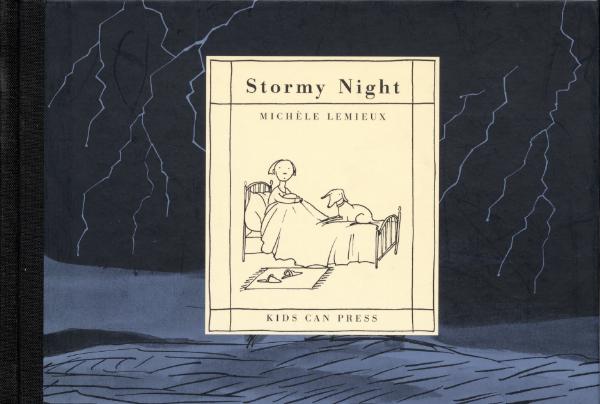
I have used Michele Lemieux’s book Stormy Night in elementary school philosophy classes. It’s a great resource for an introductory session to help the students start to recognize philosophical questions and to think about the questions they have. Stormy Night is wonderfully illustrated with black and white line drawings. It starts off with a young Stormy Night

The Little Book of Thunks

Thunk: “a beguiling simple-looking question about everyday things that stops you in your tracks and helps you start to look at the world in a whole new light.”The Little Book of Thunks is a wonderful resource for talking about philosophy in a classroom or with your own children. About the first quarter of the book The Little Book of Thunks

Stellaluna

The picture book Stellaluna, by Janell Cannon, is a wonderful book for inspiring discussions about what makes something what it is and about friendship. It tells the story of a young fruit bat who becomes separated from her mother and lands in a nest of baby birds, becoming an adoptive member of the bird family. Stellaluna

The Hundred Dresses

The Hundred Dresses by Eleanor Estes (1944) is a great book to inspire discussions about the nature of friendship, the ethics of being a bystander, and questions about what moral duties we owe to others. I have used this book with students from ages 8-18, usually taking three or four classes to read it together The Hundred Dresses

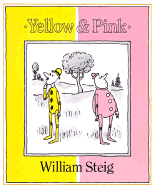
Yellow and Pink

One of my favorite children’s books to use in philosophy classes (including with high school students) is William Steig’s Yellow and Pink. The story begins with two small wooden figures, one pink and one yellow, who are lying on old newspaper. The yellow one sits up and asks the pink one, “Do you happen to Yellow and Pink

The One Who Walk Away from Omelas

The Ursula LeGuin short story The Ones Who Walk Away from Omelas is a powerful story for discussing with high school students utilitarian ethics and the question of whether the suffering of one person is permissible if it brings about the greater good. The story is set in a joyful and seemingly perfect city, where The One Who Walk Away from Omelas