Ethics

The Rainbow Fish

The Rainbow Fish by Marcus Pfister is a picture book that parents seem either to love or to hate. It is the story of a fish, described as “the most beautiful fish in the entire ocean,” with rainbow-colored, iridescent scales. The other fish call him “Rainbow Fish,” and invite him to play with them, but The Rainbow Fish

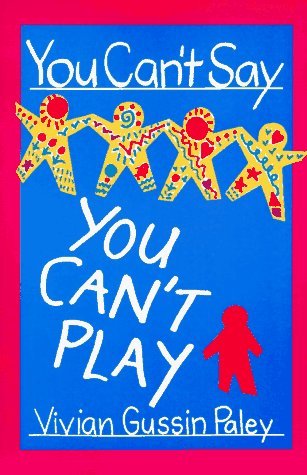
You Can’t Say You Can’t Play

I’ve been re-reading Vivian Paley’s book You Can’t Say You Can’t Play. The book describes Paley’s observation of what she calls the “habit of rejection” year after year in her kindergarten class, in which certain children (the “ruling class,” as she calls them) decide which children will be accepted and which will be excluded, setting the You Can’t Say You Can’t Play

When does morality begin?

I read a review of cognitive psychologist Alison Gopnik’s book The Philosophical Baby in the New York Review of Books recently. Gopnik suggests that the relationship between an infant and his or her caregiver constitutes the beginning of morality for us, the first ethical relationship. Carol Gilligan and others have emphasized the role of relationships When does morality begin?

The Ethics of Stealing

Recently I have been starting my philosophy sessions in the 5th grade with the students raising questions they want to discuss that have come up since I’ve last visited. This afternoon, the students mentioned that they wanted to discuss an event that had happened in the classroom. One boy’s iPod touch was stolen this week The Ethics of Stealing

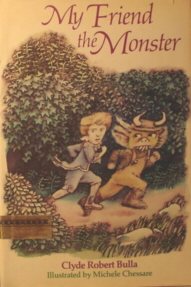
My Friend the Monster

The short novel My Friend the Monster by Clyde Roberta Bulla is about the young Prince Hal, whose parents, the king and queen, think he is “ordinary” and have no time for him. They will not let him spend time with the children he sees playing in the courtyard because these children are the children My Friend the Monster

Philosophy Cafe

On Tuesday afternoon we had a “philosophy cafe” in the 5th grade. I brought cider and cookies, and told the students that in parts of the world adults went to cafes and had something to eat and drink and talked about philosophy. It created a really different kind of environment for our conversation, very relaxed Philosophy Cafe

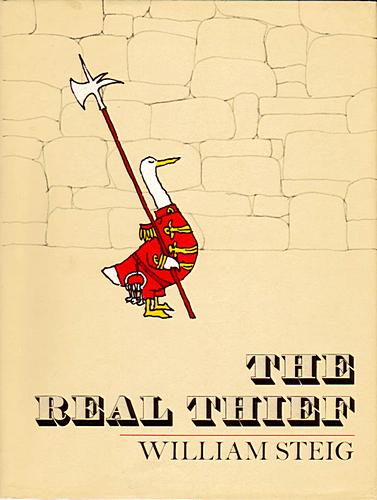
The Real Thief

William Steig’s The Real Thief is an appealing story for talking about ethics with young people. It’s a short chapter book, which can be read to a child over several nights or along with a child who is already a reader. I’ve also used this story to talk about ethics with middle and high school The Real Thief

Update on the Science Fair

In an earlier post, I wrote about an ethical dilemma that some of the fifth grade students with whom I’ve been working were facing regarding the upcoming Science Fair. The students told me today that they had decided that the experiment they had been considering was too fraught with ethical problems for them to be Update on the Science Fair

Science Fair and Ethics

Yesterday I showed up in the fifth grade classroom in which I’ve been teaching, prepared to talk with the students about whether you can get something form nothing, whether everything has a beginning, and related questions. When I arrived, the class informed me that they had just had a discussion about an ethical problem related Science Fair and Ethics

Puzzles about Ethics

A couple of years ago I created a series of ethics puzzles to introduce various moral questions to two fourth grade classes. I adapted some of these scenarios from puzzles created by others and made up the rest. I found that formulating dilemmas that would be easily recognizable to ten-year-old students was an effective way Puzzles about Ethics