

These sites have additional lesson plans and resources for educators and families.
Click any logo for more information
Crash Course Philosophy

1000-Word Philosophy

American Philosophical Association Committee on Pre-College Instruction in Philosophy
The Basics of Philosophy
Dialogue Works

Hi-Phi Nation
History of Philosophy – summarized & visualized
Institute for the Advancement of Philosophy for Children
New Books from Authors of Color

P4C.com

Penn’s Project for Philosophy for the Young

The-Philosophy.com

The Philosophy Club
Philosophy for Children in the Borderlands
The Philosophy Foundation
The Philosophy Man

Philosophy Pages

Philosophy Talk
SAPERE

Teach Different

Teaching Children Philosophy

Thinking in Stories: Reviewing Philosophy in Children’s Literature

ThinkerAnalytix: The Disagreement Project
Crash Course Philosophy
https://thecrashcourse.com/topic/philosophy/In 46 episodes, Hank Green will teach you philosophy! This course is based on an introductory Western philosophy college-level curriculum.
1000-Word Philosophy
https://1000wordphilosophy.com1000-Word Philosophy: An Introductory Anthology, an ever-growing set of original 1000-word essays on philosophical questions, figures, and arguments.
American Philosophical Association Committee on Pre-College Instruction in Philosophy
https://www.apaonline.org/members/group.aspx?id=110440The Committee oversees activities related to the teaching of philosophy at the pre-college level and initiates efforts to encourage and improve teaching at this level. It facilitates cooperation between philosophers, teachers, and educational administrators in planning and evaluating instructional programs and requirements for the training and certification of teachers in areas relating to philosophy. The Committee also collects and disseminates information on existing programs and instructional materials.
The Basics of Philosophy
https://www.philosophybasics.comA huge subject broken down into manageable chunks
Dialogue Works
https://dialogueworks.co.ukTeaching that puts more thinking into learning
Traditionally, P4C is the practice of philosophical inquiry with young people – a structured approach to the development of thinking. It helps teachers to facilitate student-led inquiries into topics that really matter to their students. It helps students to think independently, reason effectively, communicate persuasively and explore their values.
Hi-Phi Nation
https://hiphination.orgFrom Slate podcasts, Hi-Phi Nation begins with a story, and seeks to extract big ideas, unquestioned assumptions, and unexamined conflicts in those stories. We then engage in an exploration of those ideas, assumptions, and conflicts with philosophers and other scholars.
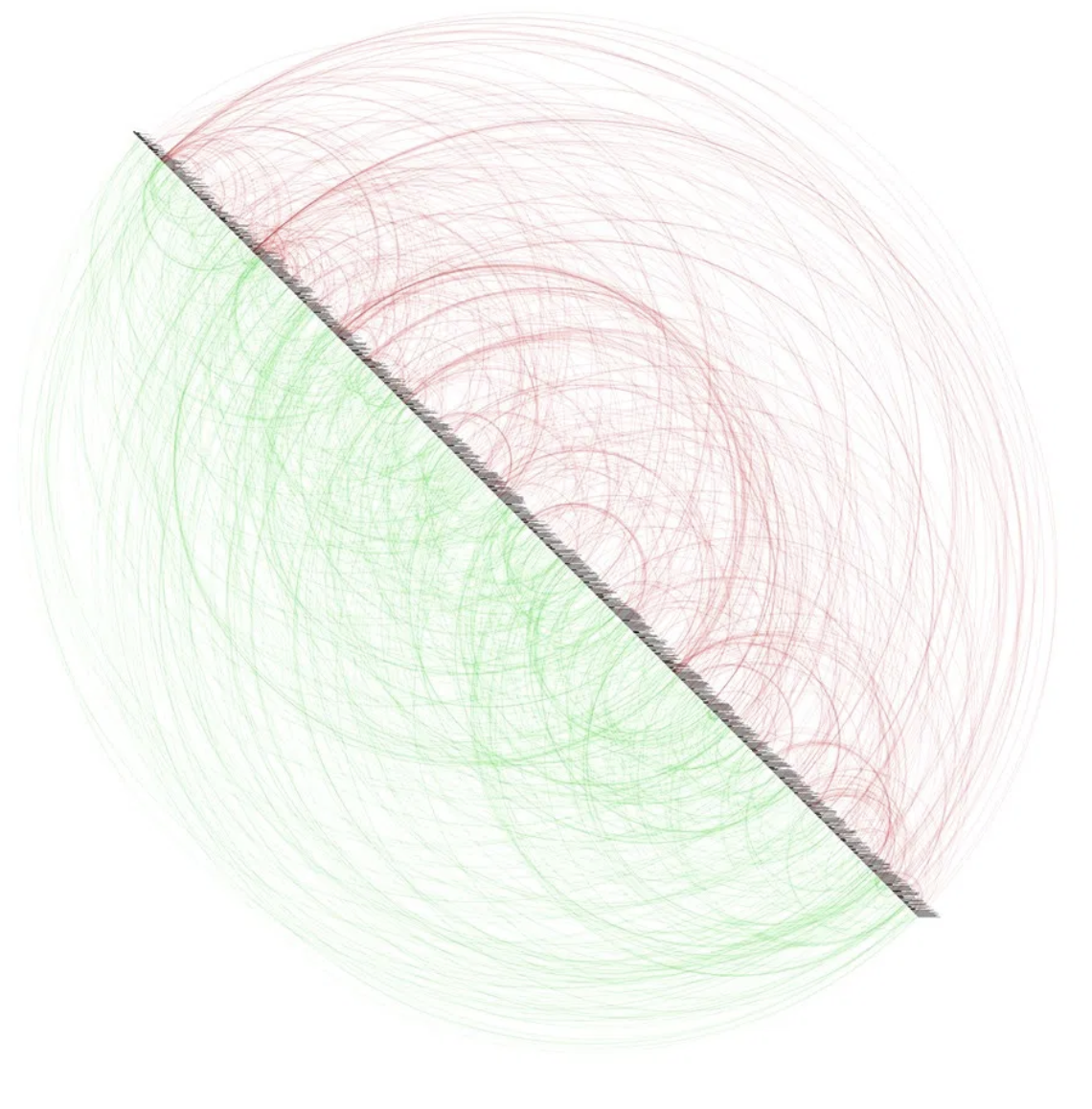
History of Philosophy – summarized & visualized
https://www.denizcemonduygu.com/philo/browse/A stunning, interactive visualization of the history of philosophy by Deniz Cem Önduygu, showing the positive and negative connections between some of the key ideas and arguments from philosophers.
Institute for the Advancement of Philosophy for Children
https://www.montclair.edu/iapc/Recognized by the American Philosophical Association for excellence and innovation, the Institute for the Advancement of Philosophy for Children provides curriculum materials for engaging young people (pre-school through high school) in philosophical inquiry and provides teacher preparation in the pedagogy of the classroom community of inquiry. The IAPC also conducts research in teaching pre-college philosophy and the uses of philosophy for educational objectives.
New Books from Authors of Color
https://www.nypl.org/books-more/recommendations/vibrant-voices/kidsExplore new books from authors of color with the NY Public Library’s Vibrant Voices book list, created by the Library’s expert staff and updated annually.
P4C.com
https://p4c.comP4C.com is a co-operative providing resources and advice on philosophy for children. They have recently started a free parents’ section with ideas for philosophizing with children outside school.
Penn’s Project for Philosophy for the Young
https://web.sas.upenn.edu/phil4young/One of the objectives of the Penn philosophy department, in conjunction with colleagues from across the University, is to engage with the public in our Philadelphia home and beyond. The rationale for the Philosophy for the Young Project in particular is driven by the insight that philosophical thinking – e.g., wondering about the nature of goodness, what one values, social justice, how to live well, how to determine the right course of action – shows up very early in children, and children greatly enjoy thinking about philosophical questions. In addition, helping the young cultivate philosophical thinking sharpens a range of skills that are helpful across all K-12 school subjects. Finally, bringing philosophy into underserved schools can help address the school justice issue of equal access to educational goods.
The-Philosophy.com
https://www.the-philosophy.comEtymologically, philosophy means love of wisdom. Before being a field of study, it is above all a way of seeing the world, of questioning it. The founding principle of philosophy is perhaps the astonishment, source of the questions. Then, philosophy relates to the activity of arguing rationally about this astonishment. * We have published more than 800 articles, all seeking directly or indirectly to answer this question, even if there is no unique answer to this question.
The Philosophy Club
https://thephilosophyclub.com.au/resources/The Philosophy Club partners with schools and communities to build a culture of critical and creative thinking through collaborative philosophical inquiry. The website provides access to free resources for using philosophical enquiry to deepen understanding of environmental themes and original stimuli using fictional scenarios to provoke collaborative enquiry.
Philosophy for Children in the Borderlands
https://p4cintheborderlands.wordpress.comThis bilingual website is part of a broader project called “Philosophy for Children in the Mexico-US Borderlands.” Hosted by the UTEP Department of Philosophy, this is an initiative dedicated to promoting philosophical dialogue for children and youth in the El Paso area. The program involves collaboration between local teachers, UTEP students and professors, as well as several dedicated community partners, and includes Spanish translations of some of the Center’s materials.
The Philosophy Foundation
https://www.philosophy-foundation.orgThe Philosophy Foundation’s mission is to bring understanding, wisdom and eudaimonia (flourishing) to the heart of education for children and adults. We believe that reasoning skills developed through philosophical enquiry are an indispensable foundation of all aspects of learning and that Philosophy, like maths, music or physical education, is intrinsically worth doing and intrinsically engaging.
The Philosophy Man
https://www.thephilosophyman.comIf children don’t learn to talk confidently to groups in their primary years, it’s unlikely they ever will. It impacts their learning and their economic and social potential. And with the ever-increasing pressure from above, genuine opportunities for face-to-face dialogue and independent thinking can be squeezed out. Our mission to is empower teachers to find the opportunities for independent thinking in their existing curriculum, (and remind themselves of why they went into teaching!).
Philosophy Pages
http://www.philosophypages.com/dy/index.htmThis site offers helpful information for students of the Western philosophical tradition. The elements you will find on this site include:
The Dictionary of Philosophical Terms and Names.
A survey of the History of Western Philosophy.
A Timeline for the intellectual figures discussed here.
Detailed discussion of several major Philosophers
Summary treatment of the elementary principles of Logic
A generic Study Guide for students of philosophy.
Links to other philosophy Sites on the Internet.
Philosophy Talk
https://www.philosophytalk.orgPhilosophy Talk celebrates the value of the examined life. Each week, our philosophers invite you to join them in conversation on a wide variety of issues ranging from popular culture to our most deeply-held beliefs about science, morality, and the human condition. Philosophy Talk challenges listeners to identify and question their assumptions and to think about things in new ways. We are dedicated to reasoned conversation driven by human curiosity. Philosophy Talk is accessible, intellectually stimulating, and most of all, fun! Philosophy Talk is produced by KALW on behalf of Stanford University, as part of its Public Humanities Initiative.
SAPERE P4C introduces educators in the UK to philosophical inquiry, and provides a searchable library of free resources, which have been designed and tested by experienced teachers. SAPERE P4C aims to make teaching and learning more engaging, more collaborative, more challenging, and more thoughtful.
Teach Different
https://teachdifferent.comTeach Different’s mission is to inspire everyone to ask big questions and participate in great conversations every day.
Teaching Children Philosophy
https://www.prindleinstitute.org/teaching-children-philosophy/Interested in teaching philosophy and ethics to elementary school children? We’ve got over 200 discussion guides designed to help you introduce philosophy and ethics using popular children’s picture books. Each discussion guide will introduce educators to the key philosophical or ethical issues in the picture book. The guides also provide questions to help initiate a philosophical discussion with young children
Thinking in Stories: Reviewing Philosophy in Children’s Literature
https://www.montclair.edu/iapc/thinking-in-stories/Thinking in Stories is a weblog comprising posts summarizing popular children’s stores with reflections on how they raise philosophical questions intriguing to adults and children alike—questions that invite playfully serious, inter-generational dialogue. Thinking in Stories began in 1979 as a column written by the late American Philosopher Gareth B. Matthews for Thinking: The Journal of Philosophy for Children. Matthews invented the now robust field of philosophy in children’s literature in the early 1970s and was invited by Matthew Lipman to produce the column as the sole contributing editor to the journal. Matthews wrote 58 reviews of children’s books and stories for Thinking in Stories between 1979 and 2006. On his retirement, the column was continued by Dr. Peter Shea, through 2014. With support from Montclair State’s College of Education and Human Services, the column has been recreated as a weblog, and with support from the College’s Department of Educational Foundations, reading levels have been indicated for the titles reviewed.
ThinkerAnalytix: The Disagreement Project
https://drive.google.com/file/d/1R3bjhS-OGgWrjX8Pm66gWUfc2jc18pU9/viewThe Disagreement Project – assignment where students explore a disagreement and “steel-man” their partner’s argument.


Connect With Us!