Area: Art

Inclusivity and Difference
Warm-up While technical issues with the video are being handled, allow participants to choose their art supplies and explain that they are free to make art while participating in class and listening to each other. Invite participants to think about their hopes, goals, and fears about participating with the group.  Stimulus (9 minutes) Watch video Inclusivity and Difference

The Little Prince, Chapter One

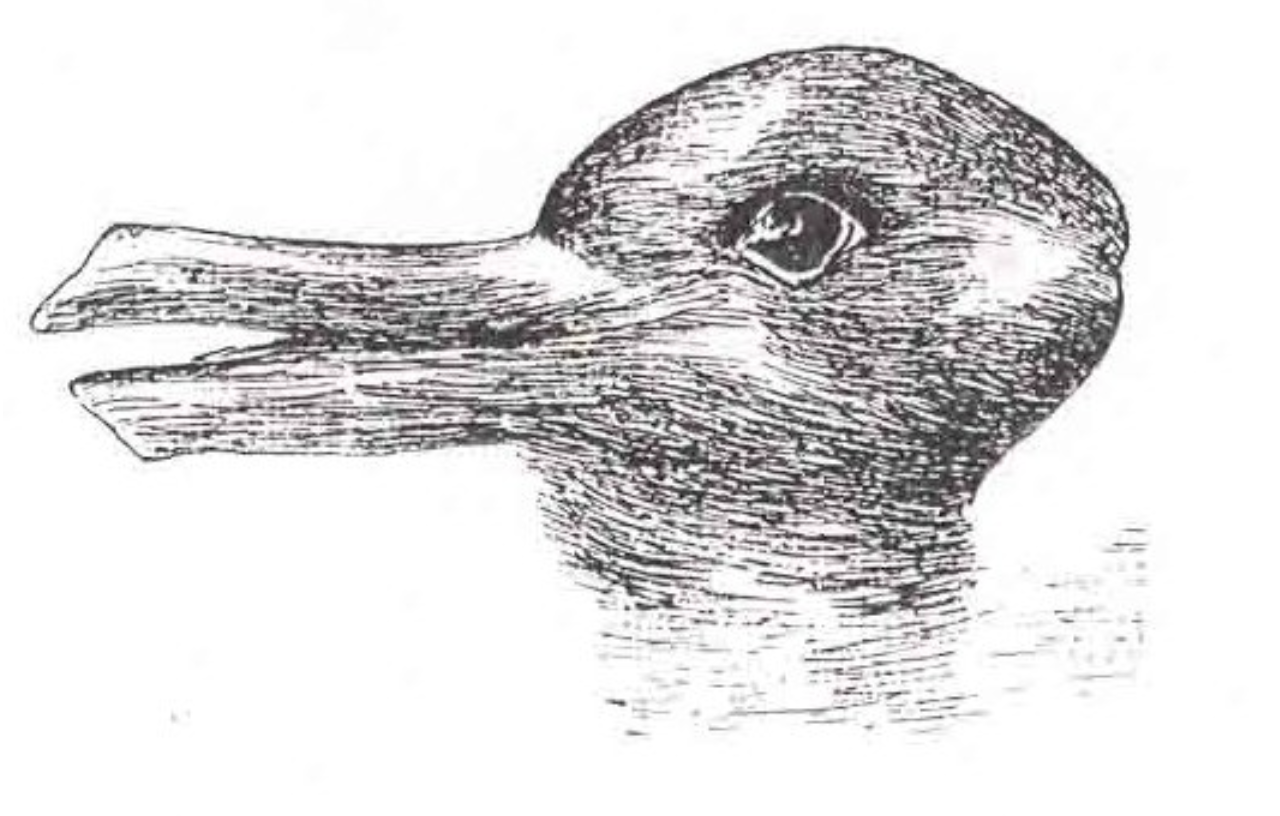
Why do we sometimes see the same thing differently? Step 1 Depending on the age or grade level of the participants, either the facilitator or the participant/s read chapter one of The Little Prince.  Step 2 Facilitator introduces the prompt (Step 3) and poses the questions (listed below each image) for participants to consider, discuss, The Little Prince, Chapter One

The Day the Crayons Quit

The Day the Crayons Quit (Daywalt and Jeffers) offers a humorous foray into re-imagining the habitual roles we play in group activities. In this lesson, the class room teacher will mirror Duncan’s shift as the “artiste” to the “note-taker” and give the students the opportunity to shape how class activities could be run. By using The Day the Crayons Quit

What is Beauty?

Part 1: Present the following challenge to students: Think of something (e.g., objects, places, people) that you think is truly beautiful, but that at the same time you think others might not notice and/or consider as beautiful. What do you think it is that makes it beautiful? Take a couple minutes of quiet time for What is Beauty?

“Afternoon of a Faun”

Whole Sequence Breakdown: Welcome and warm-up (c. 5-10 minutes) Brief introduction to the “scene” of “Afternoon of a Faun” (5 minutes) Exploring Various Media (20 minutes) Whole-group share and discussion (20 minutes) Possible extensions (for extra time, or additional lessons) Welcome and Warm-up Welcome students and share any updates, or follow-up on points from the “Afternoon of a Faun”

Baboon on the Moon

Baboon and the Moon still

This lesson plan can be used either in a classroom or online. Plot Summary: This six-minute film is about a baboon who lives alone on the Moon. Wordless and moving, the video portrays the baboon as full of longing for the Earth, struggling with feelings of sadness and loneliness. Looking wistfully out at Earth, he Baboon on the Moon

On the Beautiful and the Sublime

On the Beautiful and the Sublime…Aesthetics as Subjective Experience One of the longstanding questions that’s been debated in the field of aesthetics involves the nature of Beauty; one question in this area asks us where Beauty lies, in the object or in our eyes.  Taking this further, if Beauty is in us rather than in On the Beautiful and the Sublime

The Blind Painter

Materials: A blackboard or whiteboard to draw on, blank pieces of paper for students to draw on, crayons or colored pencils if possible. Description: Frame this exercise by making the point that there are two key skills we want to develop when we do philosophy. These are, first, the ability to communicate clearly and second, The Blind Painter

What is Art?

Have each student draw two pictures. One drawing must be a drawing they would call art, and the other one they would not call art. Ask the students who want to do so to share their drawings. Some questions you can consider include: What makes one art and the other not? Does the intention of What is Art?