Area: Literature/Language Arts

You Can’t Say You Can’t Play
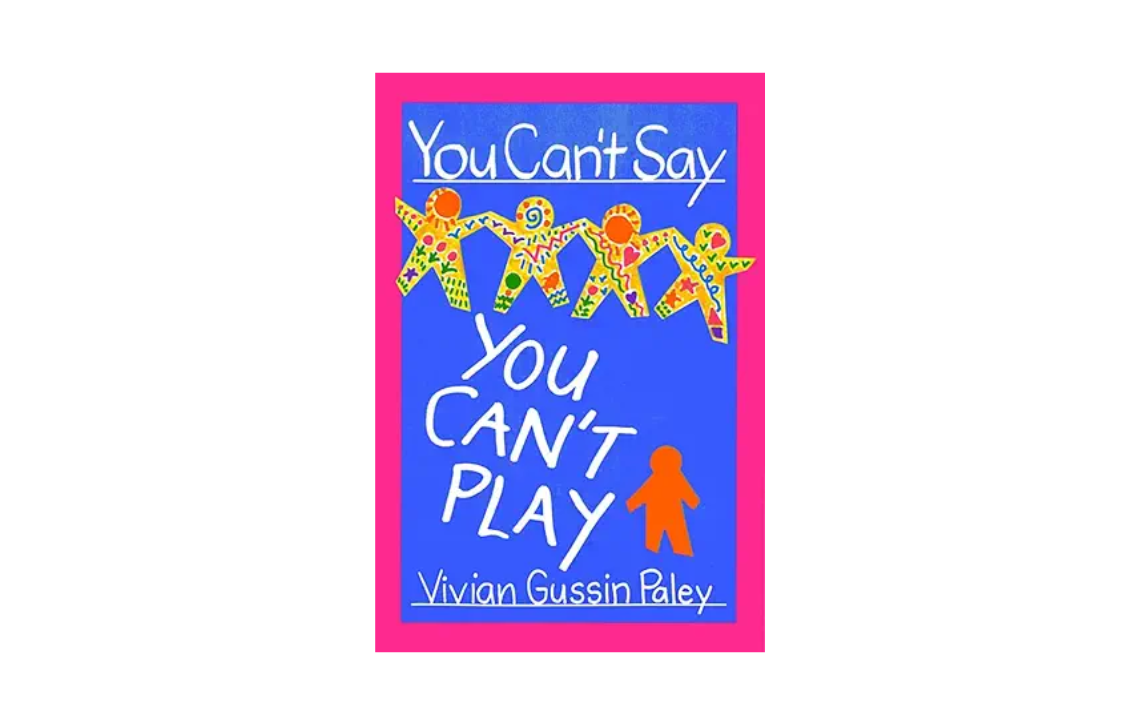
In You Can’t Say You Can’t Play (Paley, 1992), MacArthur Prize-winning educator Vivien Paley describes her introduction of a new rule — “You can’t say you can’t play” — in her kindergarten classroom. The book raises questions about friendship, exclusion and inclusion, and what is necessary for a rule to be a good one. Preview You Can’t Say You Can’t Play

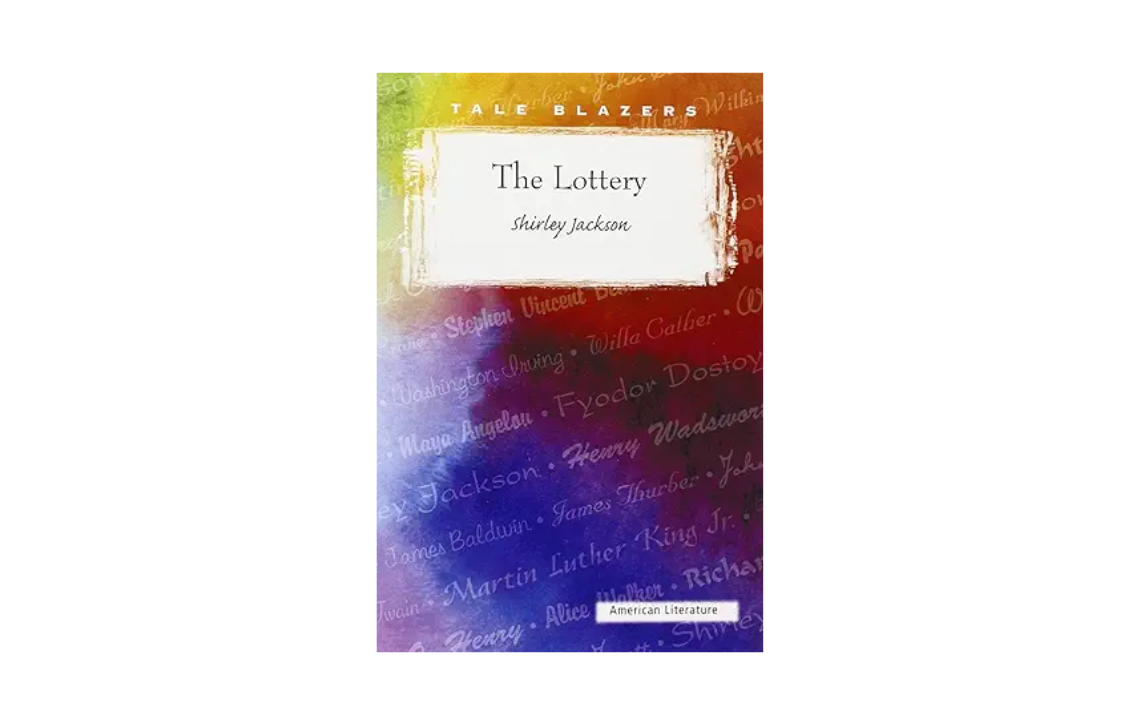
“The Lottery” by Shirley Jackson

Understanding Beliefs and Cultural Blindness Understanding Beliefs and Cultural Blindness Materials Needed Steps Involved 1. Introduction (10 minutes) Journal: Do you (or we, collectively as a society) have any rituals, customs, or celebrations where we may not understand where it originated or what the purpose serves?  2. Reading the Text (20 minutes) Facilitator: Distribute copies “The Lottery” by Shirley Jackson

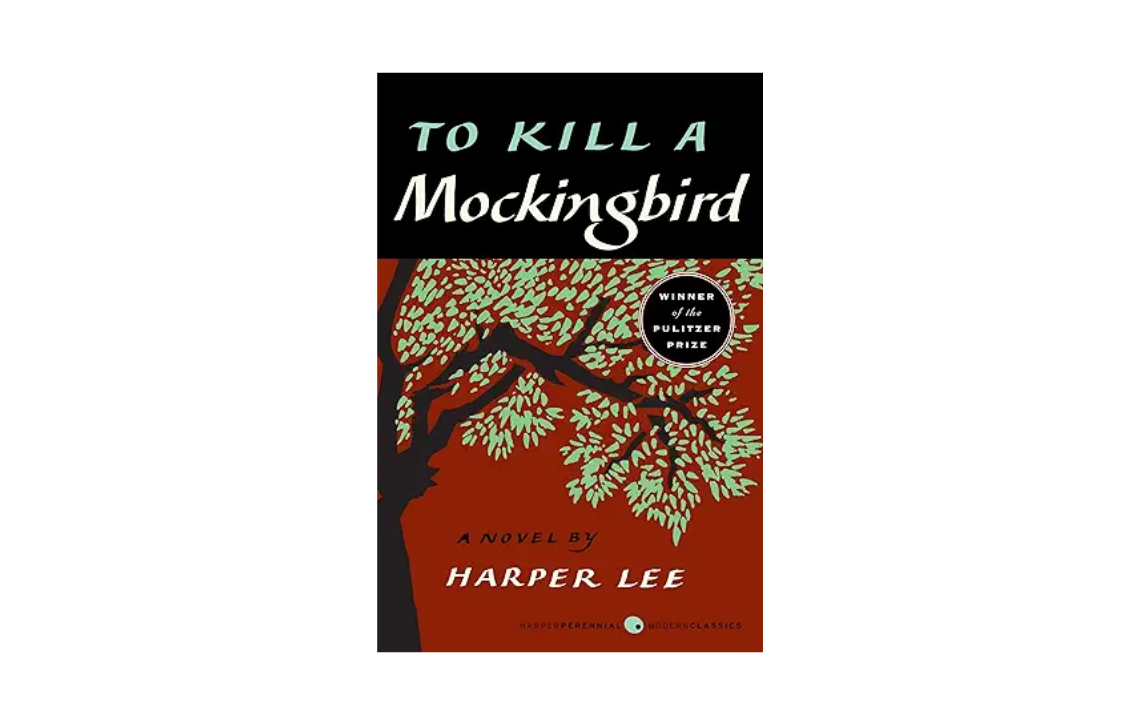
To Kill a Mockingbird, Harper Lee

In Harper Lee’s classic novel, the narrator, Scout (five years old at the story’s beginning), describes the events surrounding her father’s defense of an African American man charged with raping a young white woman, portraying the world of the Deep South of the 1930s. The novel inspires exploration of many philosophical questions. General philosophical questions To Kill a Mockingbird, Harper Lee

The Book Thief, by Marcus Zusak

Lesson Plan: The Book Thief portrays everyday life in an extraordinarily terrible time, and depicts the small choices made by ordinary people that carry great ethical weight. Liesel Meminger is a child growing up in Nazi Germany, living in a town near Munich with foster parents Hans and Rosa Huberman. The narrator of The Book The Book Thief, by Marcus Zusak

Love #1 – Models of Love

This lesson plan can be read in conjunction with “Chapter 3. Love” (pp. 45-68) in the freely available teaching resource Coping: A Philosophical Guide (OpenBook Publishers, 2021) with discussion questions (pp. 123-4) and additional teaching materials (p. 119).  1. Models of Love In the philosophical literature, there are three grand models of love: the eros Love #1 – Models of Love

Media Ethics

Media ethics considers the code of ethics or moral rules that govern our media and communication practices. Conversations about media ethics can include what values or principles should guide our choices with respect to the communication of events and ideas. Facilitators or teachers can briefly discuss what media ethics is with their students, then go Media Ethics

Death #2 – A Future Without Me

This lesson plan can be read in conjunction with “Chapter 2. Death” (pp. 29-43) in the freely available teaching resource Coping: A Philosophical Guide (OpenBook Publishers, 2021) with discussion questions (pp. 122-3) and additional teaching materials (p. 119).  1. Wanting to be Missed Here is a puzzle. People would like to believe that they will Death #2 – A Future Without Me

Death #1 – Death & A Worthwhile Life

Facing Death & What Makes Life Worthwhile This lesson plan can be read in conjunction with “Chapter 2. Death” (pp. 29-43) in the freely available teaching resource Coping: A Philosophical Guide (Open Book Publishers, 2021) with discussion questions (pp. 122-3) and additional teaching materials (p. 119).  1. Foreknowledge I suggest the following opening question for Death #1 – Death & A Worthwhile Life

Activity: Language Game

Materials Needed (samples are available in the lesson plan attachment above): Pre-prepared cards with simple pictures on them Pre-prepared sentences to give to students Blank paper cut into card-shape sizes or blank index cards Warm-Up Activity: Write a sentence on the board that can have two different meanings. For example: “They don’t know how good Activity: Language Game