Area: Philosophy

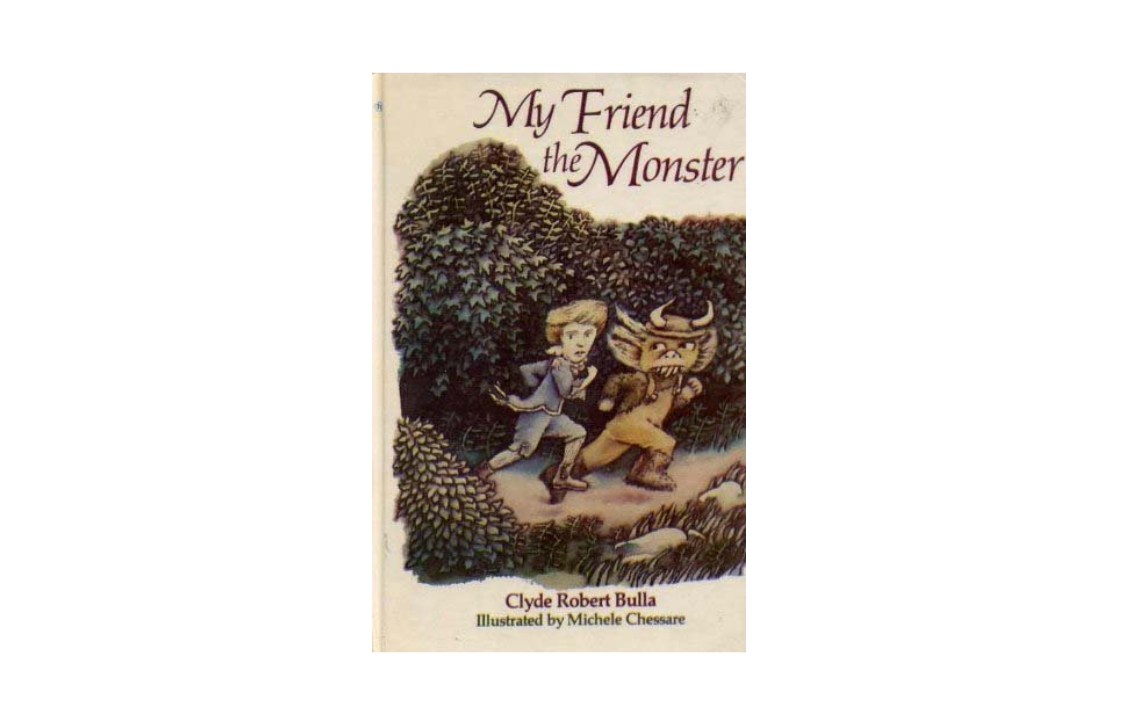
My Friend the Monster, Clyde Bulla

Book Summary: In My Friend the Monster (1980), Prince Hal’s parents are disappointed in him because he is “ordinary.” They won’t let him play with the other children around the castle because they claim those children are “beneath” Prince Hal. Prince Hal makes friends with a girl, who gives him a book about the monsters My Friend the Monster, Clyde Bulla

You Can’t Say You Can’t Play

In You Can’t Say You Can’t Play (Paley, 1992), MacArthur Prize-winning educator Vivien Paley describes her introduction of a new rule — “You can’t say you can’t play” — in her kindergarten classroom. The book raises questions about friendship, exclusion and inclusion, and what is necessary for a rule to be a good one. Preview You Can’t Say You Can’t Play

“The Lottery” by Shirley Jackson

Understanding Beliefs and Cultural Blindness Understanding Beliefs and Cultural Blindness Materials Needed Steps Involved 1. Introduction (10 minutes) Journal: Do you (or we, collectively as a society) have any rituals, customs, or celebrations where we may not understand where it originated or what the purpose serves?  2. Reading the Text (20 minutes) Facilitator: Distribute copies “The Lottery” by Shirley Jackson

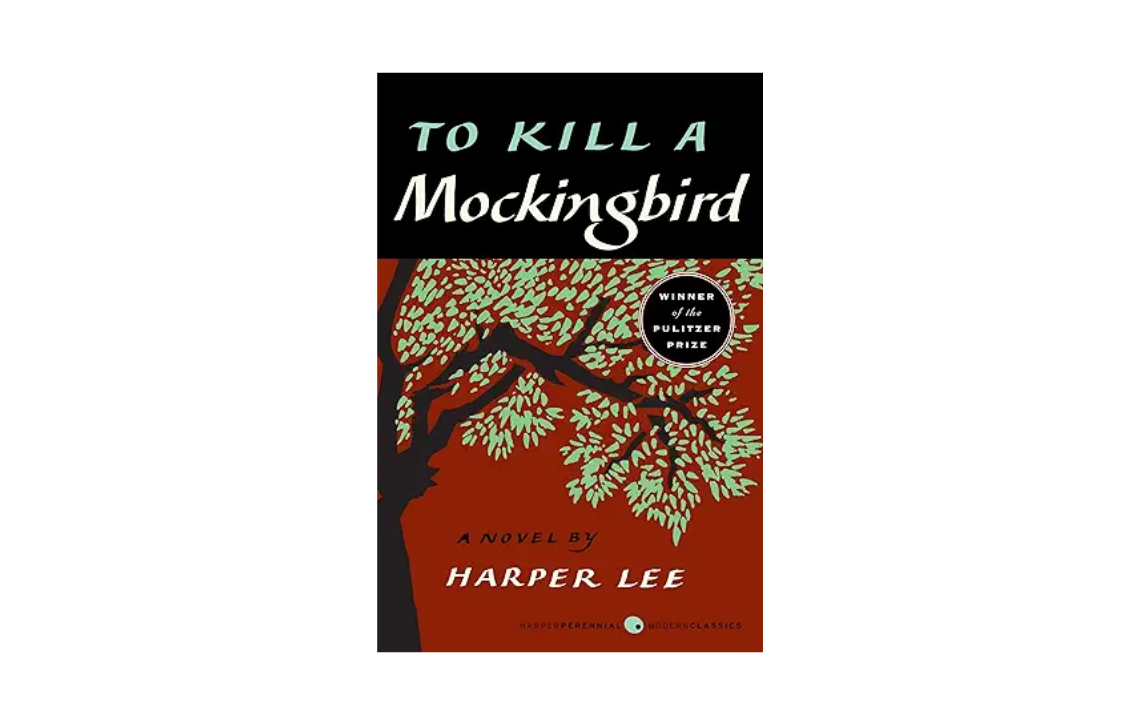
To Kill a Mockingbird, Harper Lee

In Harper Lee’s classic novel, the narrator, Scout (five years old at the story’s beginning), describes the events surrounding her father’s defense of an African American man charged with raping a young white woman, portraying the world of the Deep South of the 1930s. The novel inspires exploration of many philosophical questions. General philosophical questions To Kill a Mockingbird, Harper Lee

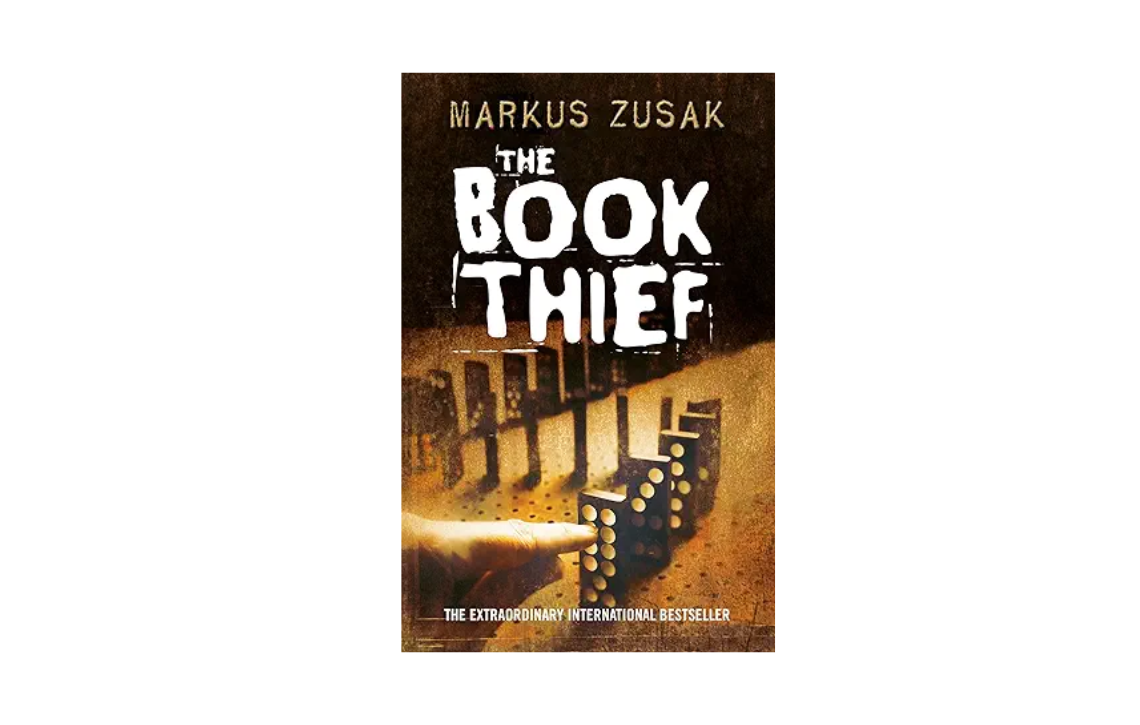
The Book Thief, by Marcus Zusak

Lesson Plan: The Book Thief portrays everyday life in an extraordinarily terrible time, and depicts the small choices made by ordinary people that carry great ethical weight. Liesel Meminger is a child growing up in Nazi Germany, living in a town near Munich with foster parents Hans and Rosa Huberman. The narrator of The Book The Book Thief, by Marcus Zusak

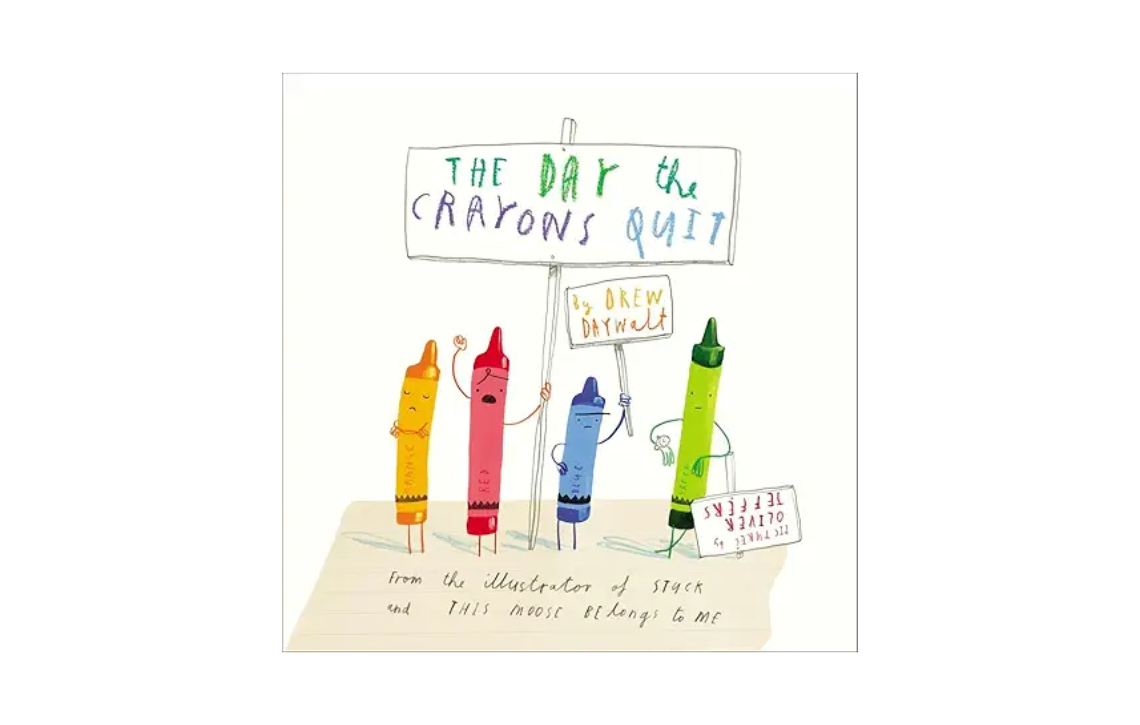
The Day the Crayons Quit

The Day the Crayons Quit (Daywalt and Jeffers) offers a humorous foray into re-imagining the habitual roles we play in group activities. In this lesson, the class room teacher will mirror Duncan’s shift as the “artiste” to the “note-taker” and give the students the opportunity to shape how class activities could be run. By using The Day the Crayons Quit

Causation: To Accompany Frog and Toad “The Garden”

This lesson plan can be used on its own or as an accompaniment to the Arnold Lobel Frog and Toad story, “The Garden.” Divide students into groups of 3-4. Ask each group to come up with 2-3 examples of the following three cases: See Discussion Questions tab for discussion prompts.