
Area: Science

The Little Prince, Chapter One
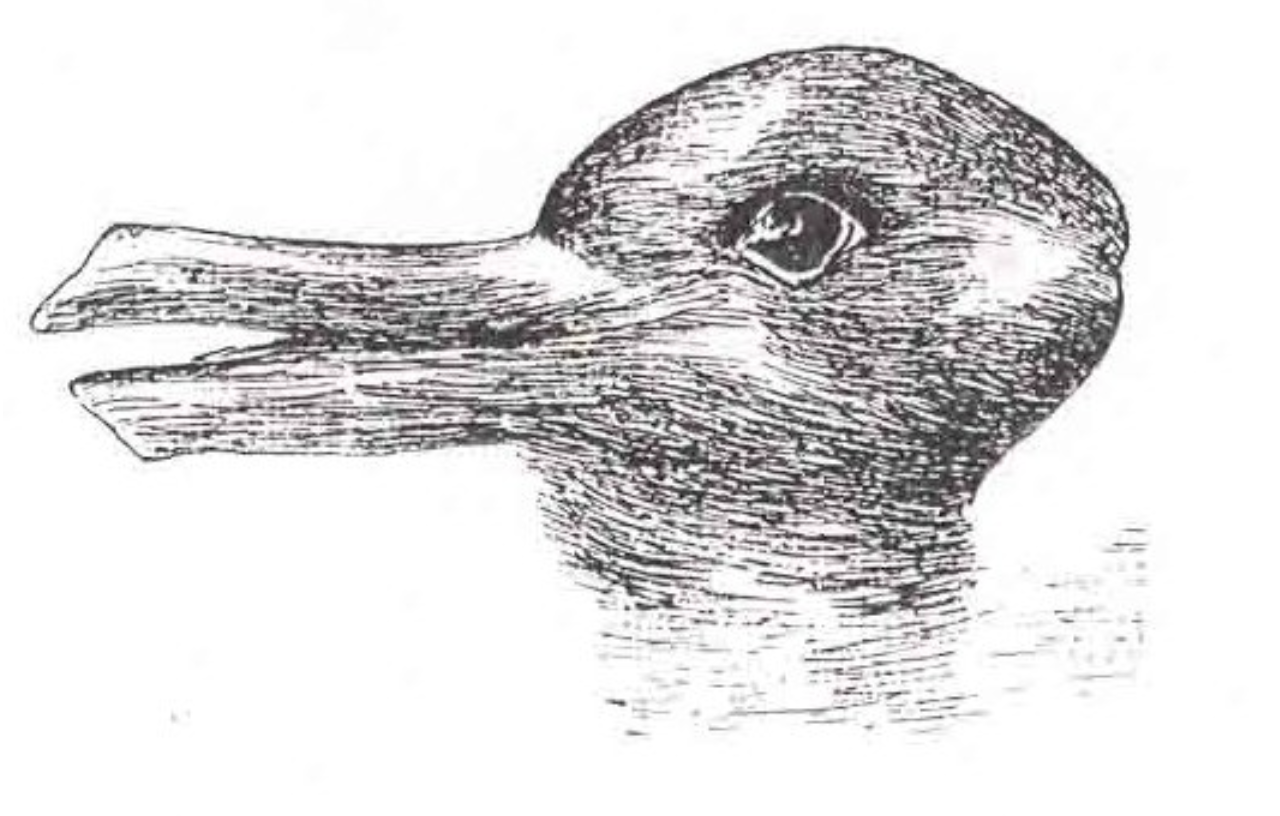
Why do we sometimes see the same thing differently? Step 1 Depending on the age or grade level of the participants, either the facilitator or the participant/s read chapter one of The Little Prince.  Step 2 Facilitator introduces the prompt (Step 3) and poses the questions (listed below each image) for participants to consider, discuss, The Little Prince, Chapter One

Causation: To Accompany Frog and Toad “The Garden”

This lesson plan can be used on its own or as an accompaniment to the Arnold Lobel Frog and Toad story, “The Garden.” Divide students into groups of 3-4. Ask each group to come up with 2-3 examples of the following three cases: See Discussion Questions tab for discussion prompts.

Reality Scavenger Hunt

Activity Description: Break the students into groups of three. Put the following list on the board and ask each group to come up with at least one thing that fits each category. Something that isn’t real but seems to be real Something that is real but seems not to be real Something you can’t tell Reality Scavenger Hunt

Belief and Knowledge

Have each person write down on a piece of paper: Once everyone has their statements, then have them pair up to talk about their claims, and why they put them in the category they did. This should get them started on a conversation about the difference between belief and knowledge. Then have the group come Belief and Knowledge

Noises in the Night

A NOTE FOR TEACHERS: I’m interested in helping young people think skeptically and philosophically about concepts like knowledge, belief, evidence, fact, and theory. I developed the Vinland Map exercise for this purpose for older students and then wrote Noises in the Night as a way of starting similar conversations with younger age groups. The Lesson: Noises in the Night

The Vinland Map Exercise

I developed this exercise in a series of Critical Thinking and Philosophy of Science classes. It can raise a huge range of issues about knowledge; testing and confirmation bias; skepticism and how not to be gullible; the relationship between scientific and historical and common sense thinking; the relationship between key concepts like fact, belief, theory, The Vinland Map Exercise

Robots at Work

Many students, even those who are quite young, are aware of the rapid pace at which technology and artificial intelligence (AI) are developing. This lesson entails an exploration of what the world might look like if all human jobs become automated, or done by robots. Are there jobs that humans can do that a robot Robots at Work

Alive/Not Alive

Materials/Preparation: Before the session, write the names of various beings and things on note cards with one per note card. Examples include: CarrotsFlowersCarsFireDollsWaterDirtA squashed bugRabbits In the session: If the students are in a circle on the rug, place three pieces of paper in the middle of the circle. Write “Alive” on one, “Not Alive” Alive/Not Alive

Are We Living in a Simulation?

Are We Living in a Simulation, and What Would it Mean if the Answer is Yes? Begin the lesson with the two short videos in the Lesson Attachment linked above to get the students thinking and engaged in the lesson. Ask them to briefly reflect on the following questions (individual reflection): Do you agree or Are We Living in a Simulation?

Piper

Screengrab from the Pixar animated film "Piper" featuring a very small and cute bird sticking its head out of the sand

This lesson plan can be used either in a classroom or online. Plot Summary: In the short Pixar film, Piper, an adult sanderling bird encourages their baby to join the other birds in finding food along the beach as the waves roll in and out. The baby bird bravely rushes forward only to find their Piper