Area: Science

Inclusivity and Difference
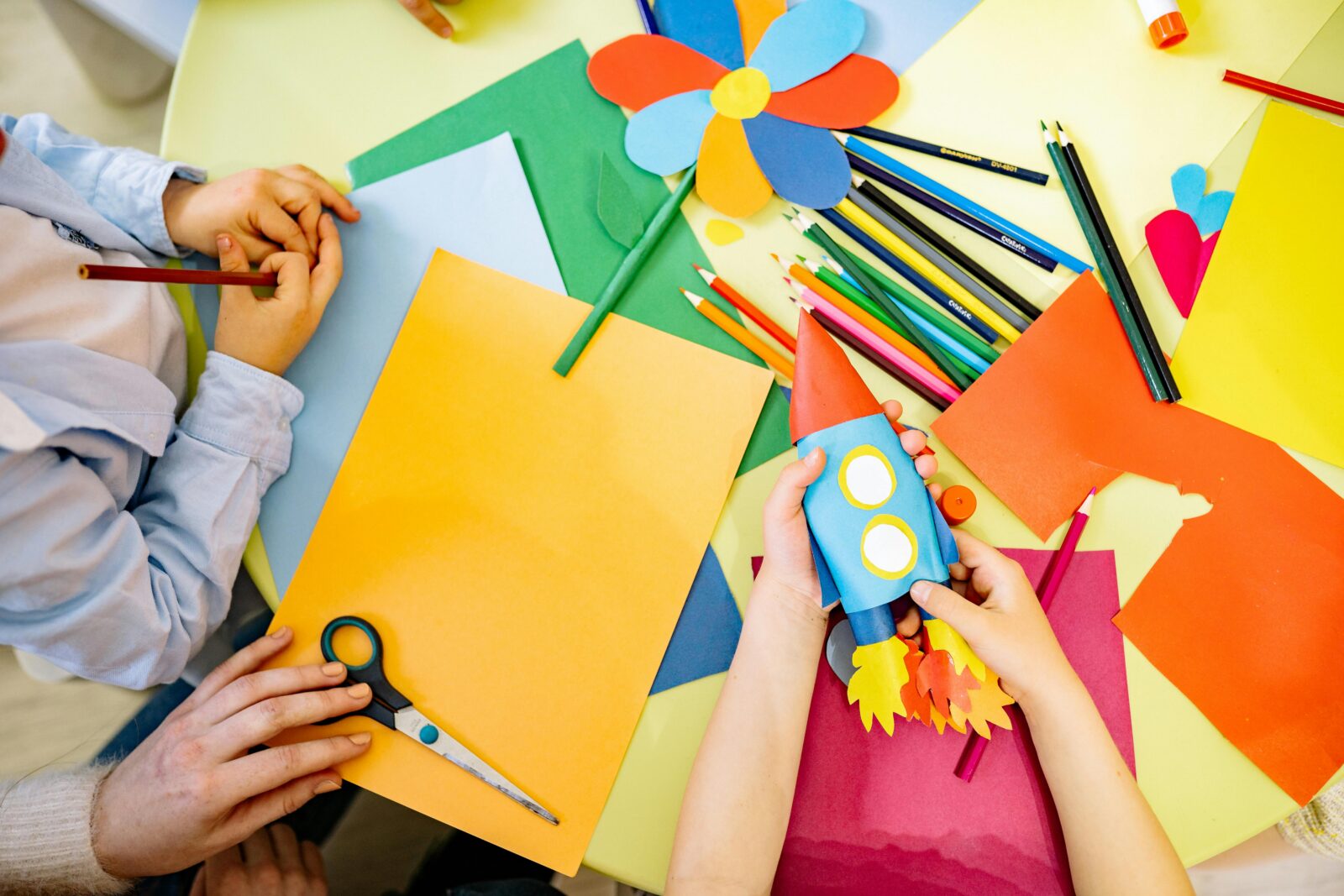
Warm-up While technical issues with the video are being handled, allow participants to choose their art supplies and explain that they are free to make art while participating in class and listening to each other. Invite participants to think about their hopes, goals, and fears about participating with the group.  Stimulus (9 minutes) Watch video Inclusivity and Difference

Weather and Emotions

Notes about Lesson Plan Warm-Up Question  How does the weather affect the way we feel and behave?  Matching Weather Events with Emotions  Inquiry Building on Matching Activity  Reflection about how our minds have changed  Discussion Questions Question Individual Connections Note: modify these questions to fit the results of the class  Question Subjectivity and Objectivity Question Weather and Emotions

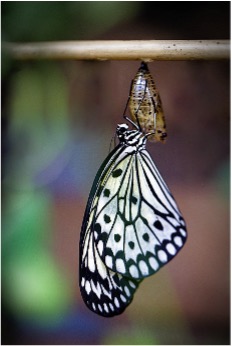
Life Cycles

Notes on the documents in the Resource tab Introduction  Introduce the concept of “life cycles” to the class, highlighting that even though there are differences in the life cycles of various species, the general steps of birth, growth, reproduction, and death are involved in all living things’ life cycles.  Independent + Collaborative Thinking 

AI and Your Voice

Important Notes Regarding Implementation: Warm-Up: Discuss “Voice” Recommendation: Do not mention AI at the beginning of this lesson. They should first explore “voice” before thinking about how AI might play a role. Warm-Up Questions:You often hear people say: “It is important for everyone’s voices to be heard.” or “Use your voice to stand up for AI and Your Voice

The Little Prince, Chapter One

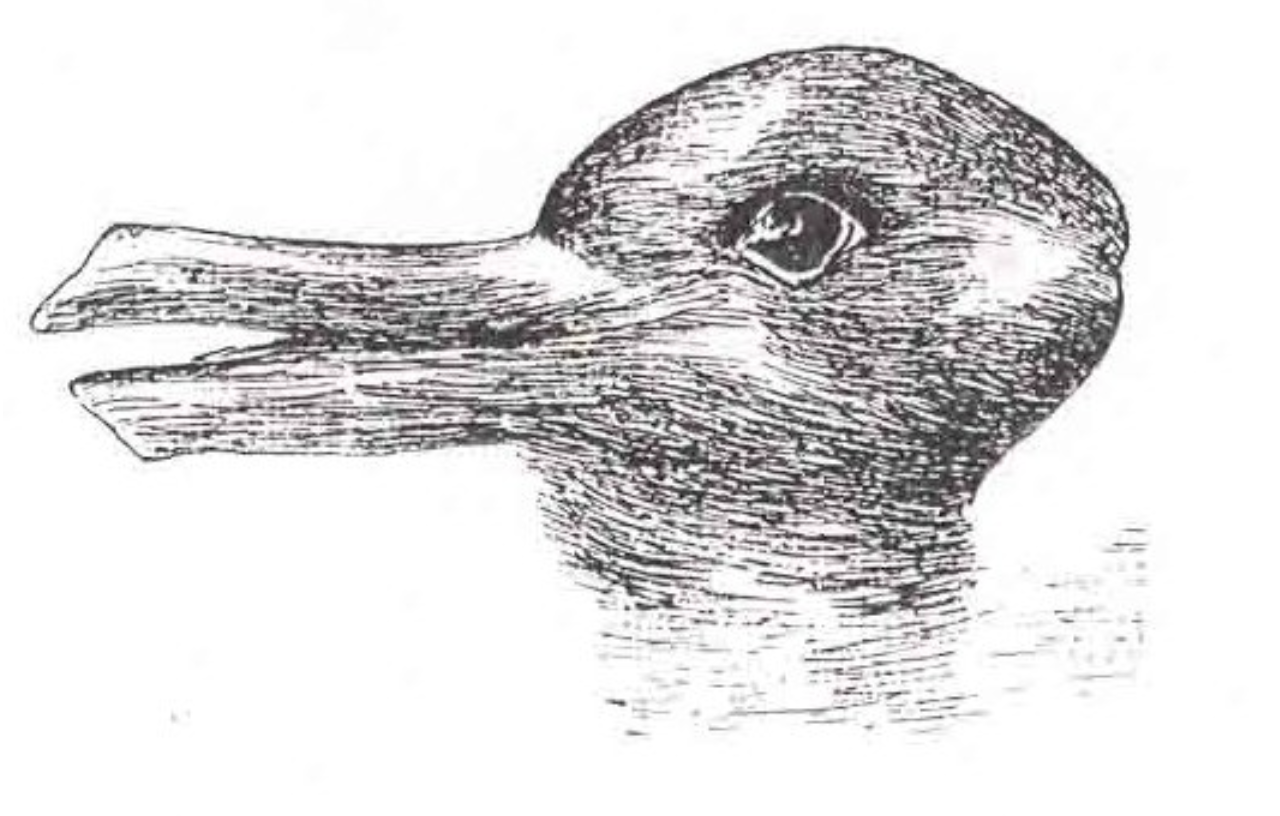
Why do we sometimes see the same thing differently? Step 1 Depending on the age or grade level of the participants, either the facilitator or the participant/s read chapter one of The Little Prince.  Step 2 Facilitator introduces the prompt (Step 3) and poses the questions (listed below each image) for participants to consider, discuss, The Little Prince, Chapter One

Causation: To Accompany Frog and Toad “The Garden”

This lesson plan can be used on its own or as an accompaniment to the Arnold Lobel Frog and Toad story, “The Garden.” Divide students into groups of 3-4. Ask each group to come up with 2-3 examples of the following three cases: See Discussion Questions tab for discussion prompts.

Reality Scavenger Hunt

Activity Description: Break the students into groups of three. Put the following list on the board and ask each group to come up with at least one thing that fits each category. Something that isn’t real but seems to be real Something that is real but seems not to be real Something you can’t tell Reality Scavenger Hunt

Belief and Knowledge

Have each person write down on a piece of paper: Once everyone has their statements, then have them pair up to talk about their claims, and why they put them in the category they did. This should get them started on a conversation about the difference between belief and knowledge. Then have the group come Belief and Knowledge