Area: Social & Political Philosophy

Ka-ha-si and the Loon
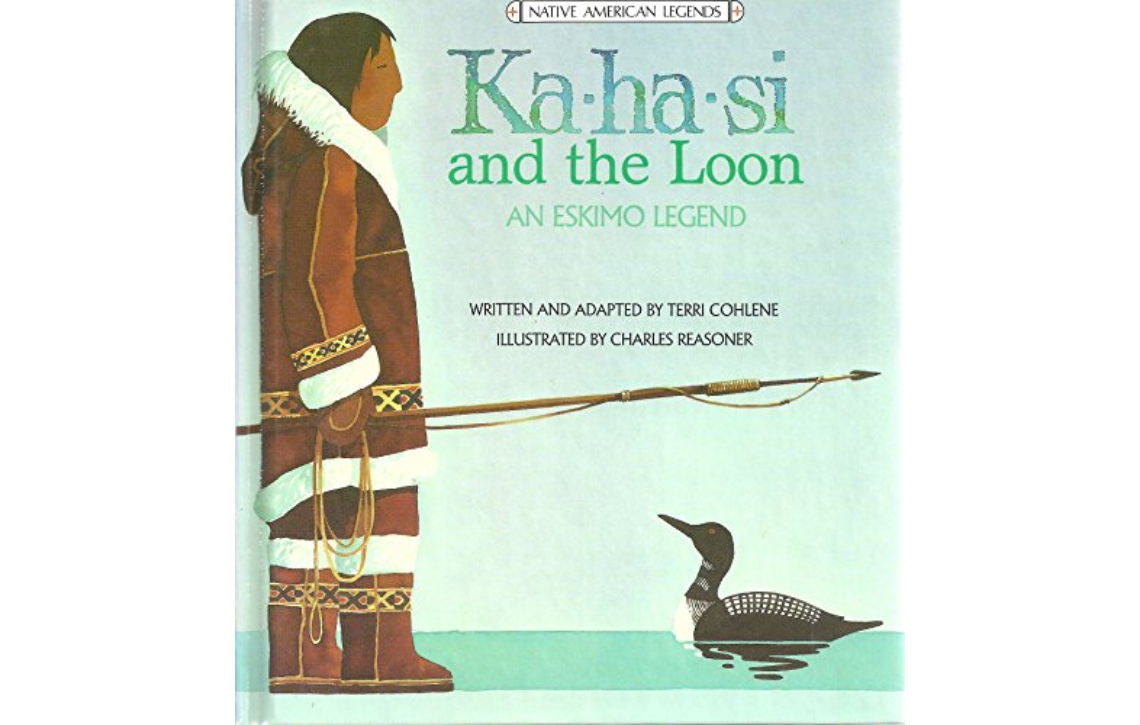
This lesson plan is based on the book Ka-ha-Si and the Loon (An Eskimo Legend), written and adapted by Terri Cohlene A read-aloud video of the book is available on the Video tab. This is an Eskimo legend that tells the story of a boy named Ka-ha-si, who was accused of being lazy because he Ka-ha-si and the Loon

Inclusivity and Difference

Warm-up While technical issues with the video are being handled, allow participants to choose their art supplies and explain that they are free to make art while participating in class and listening to each other. Invite participants to think about their hopes, goals, and fears about participating with the group.  Stimulus (9 minutes) Watch video Inclusivity and Difference

Understanding Animal Farm

Understanding Animal Farm by George Orwell Materials Steps involved 1. Introduction Journal: Can you think of an instance where you found it difficult to stand up for what you believe in because of the beliefs of those around you? Were you able to overcome this obstacle? Why or why not? 2. Watch the “Animal Farm Understanding Animal Farm

Immigration: a complex issue

Topic: Immigration This is a complex topic and can best be discussed in the context of concrete examples. In general, immigration is the movement of people from one tribe or nation to another. Immigration has been occurring since humans appeared on the planet and has always been viewed through different lens.  Background  Some brief historical Immigration: a complex issue

The American Revolution

Loyalty or Rebellion? Warm-Up: This or That?  To warm-up the students’ philosophical thinking and introduce them to the primary theme of the lesson (rebellion or loyalty), facilitate 2-5 rounds of “This or That?”  Directions:  Prompts  *Throughout this activity, you might notice a trend that students’ opinions on whether to rebel or stay loyal are contingent The American Revolution

Power and Hierarchy

Treating Others as Persons Notes About Lesson Plan Warm-Up Question  What is the difference between treating someone like a person versus treating something like an object?  (Optional Historical Background, if using to supplement discussions of slavery) In the United States of America and in other places in the world, there have been institutions that failed Power and Hierarchy

Keeping Power in Check #2

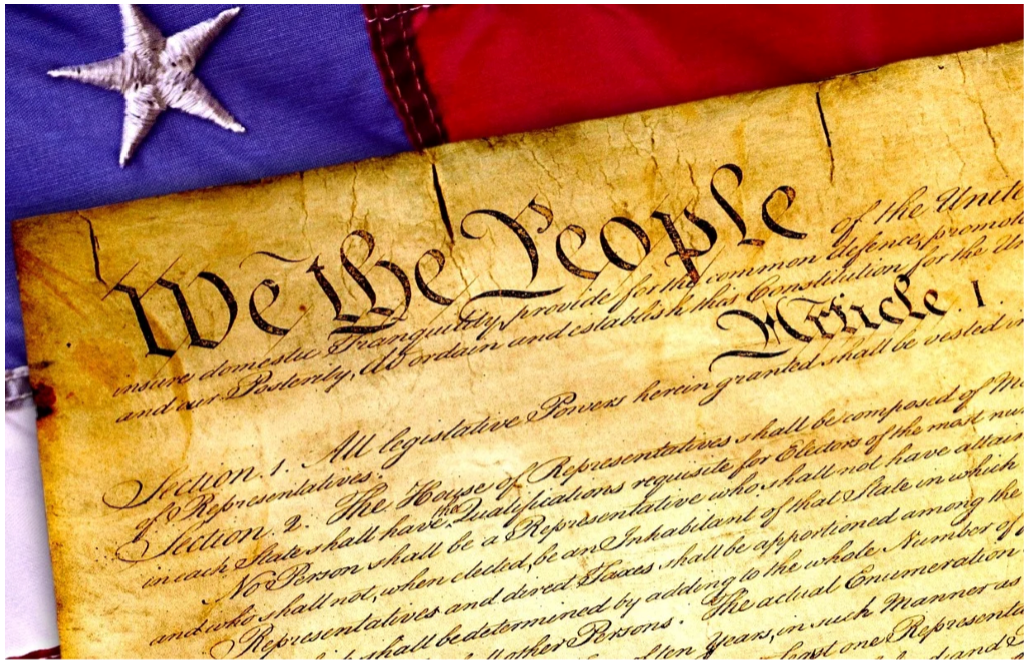
The Bill of Rights Materials: Print out the Bill of Rights Activity Sheet and cut along the dotted lines. Place the different Rights in strategic places in the room. Students should each have a pencil.  This lesson assumes that the students have some familiarity/ background knowledge on the topic already, including:  *Note: If you need Keeping Power in Check #2

Keeping Power in Check #1

Separation of Powers Materials: ~10 copies of the Constitution of the School Activity (see below); pencils  This lesson assumes that the students have some familiarity/ background knowledge on the topic already, including:  *Note: If you need to review this information for this lesson, Here are two good videos to use: one or two. I recommend Keeping Power in Check #1

Forms of Government

Introduce four (or five) primary forms of government The form of government our society uses is a very important decision that will determine who gets power, how laws are made, and who gets a say.  Democracy (Direct)  the people directly on everything; majority rules  Republic  the people vote to choose leaders who make decisions for Forms of Government