Area: History and Social Studies

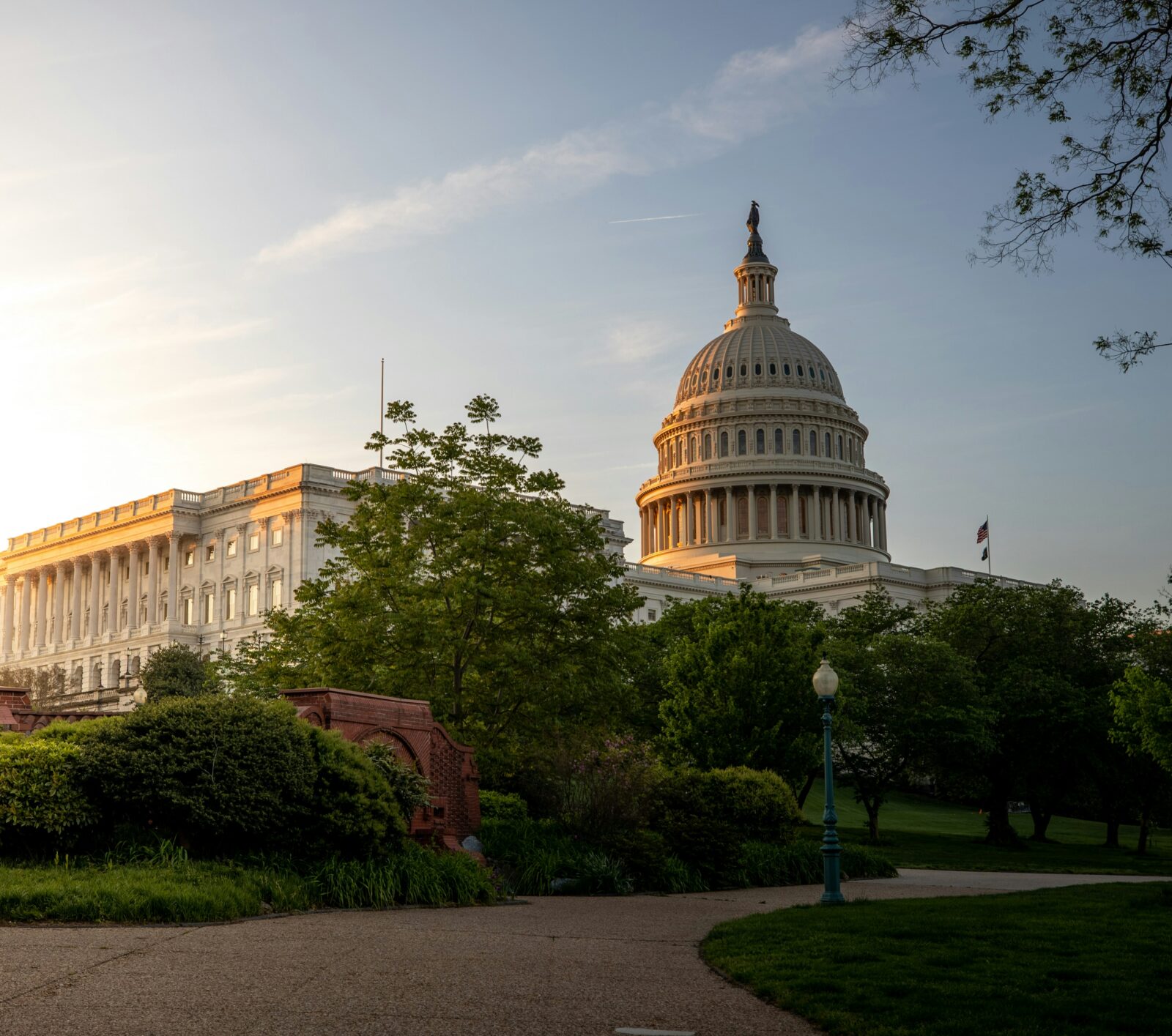
Keeping Power in Check #1
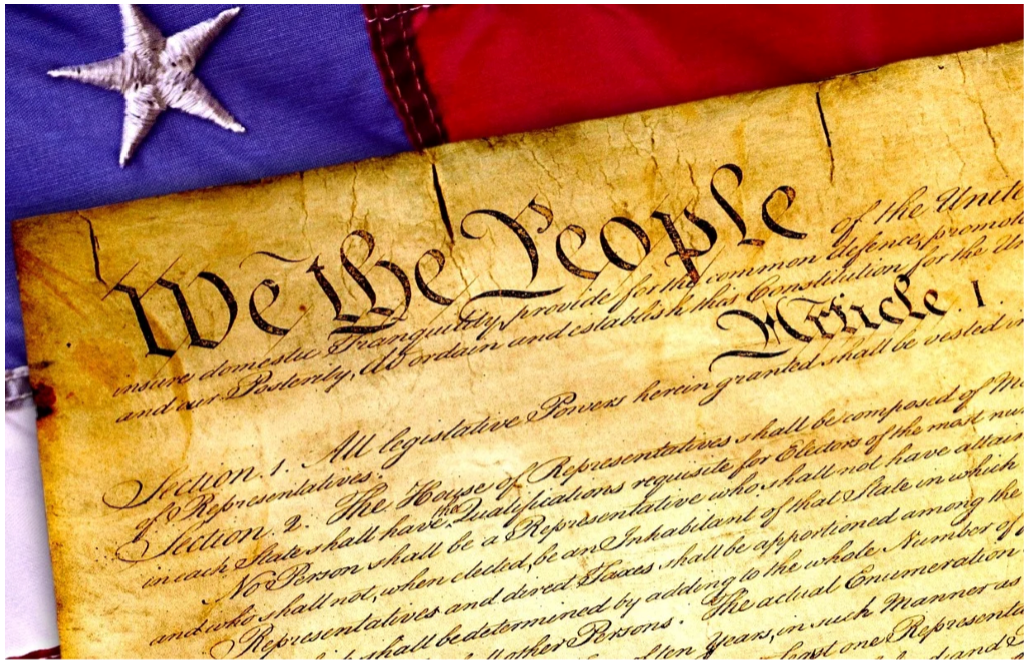
Separation of Powers Materials: ~10 copies of the Constitution of the School Activity (see below); pencils  This lesson assumes that the students have some familiarity/ background knowledge on the topic already, including:  *Note: If you need to review this information for this lesson, Here are two good videos to use: one or two. I recommend Keeping Power in Check #1

Forms of Government

Introduce four (or five) primary forms of government The form of government our society uses is a very important decision that will determine who gets power, how laws are made, and who gets a say.  Democracy (Direct)  the people directly on everything; majority rules  Republic  the people vote to choose leaders who make decisions for Forms of Government

History, Consequences, & Death

Sadako and the Thousand Paper Cranes, by Eleanor Coerr Plot Summary: This chapter book is based on a true story re-imagined by the author, Eleanor Coerr, and tells the tale of a young Japanese girl who ends up dying from leukemia. Her death is a result of the fallout from the atomic bombs dropped by History, Consequences, & Death

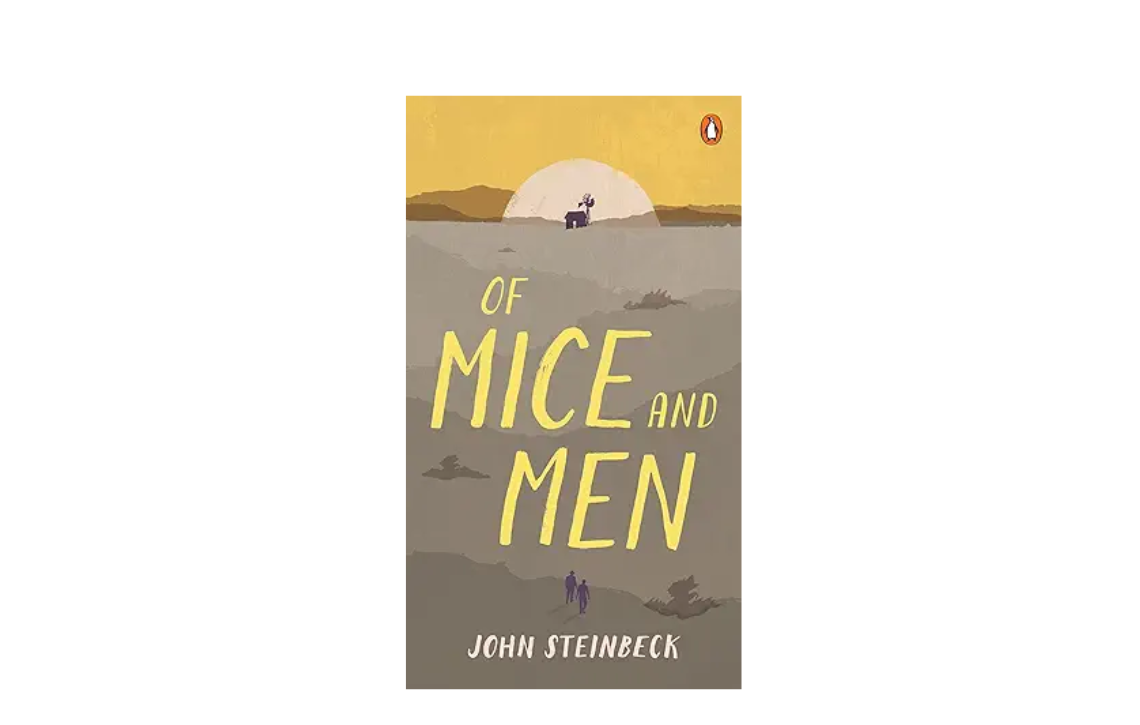
Of Mice and Men

Loneliness, Social Hierarchy, and Disability In Of Mice and Men (Chapter 4) Body of the Lesson Plan: to be completed after reading chapter 4 Step 1: Warm-Up Discussion (10–15 minutes) Facilitator Questions: Student Activity: Step 2: Close Reading and Textual Analysis (15-20 minutes) Facilitator: Break students into four groups and ask each group to discuss one Of Mice and Men

Unmasking Political Persuasion

Unmasking Political Persuasion: Logical Fallacies in Government Campaigns Materials Needed Video clips of political campaign commercials, Logical Fallacies Definitions Handout, Graphic organizer for commercial analysis. Steps Involved Fallacy Breakdown (15 minutes): Pick segments from these videos to explore different fallacies: Fallacies: Discuss real-world examples of each fallacy. Application to Political Commercials (30–45 minutes): Show political Unmasking Political Persuasion

Virtue and the Social Contract

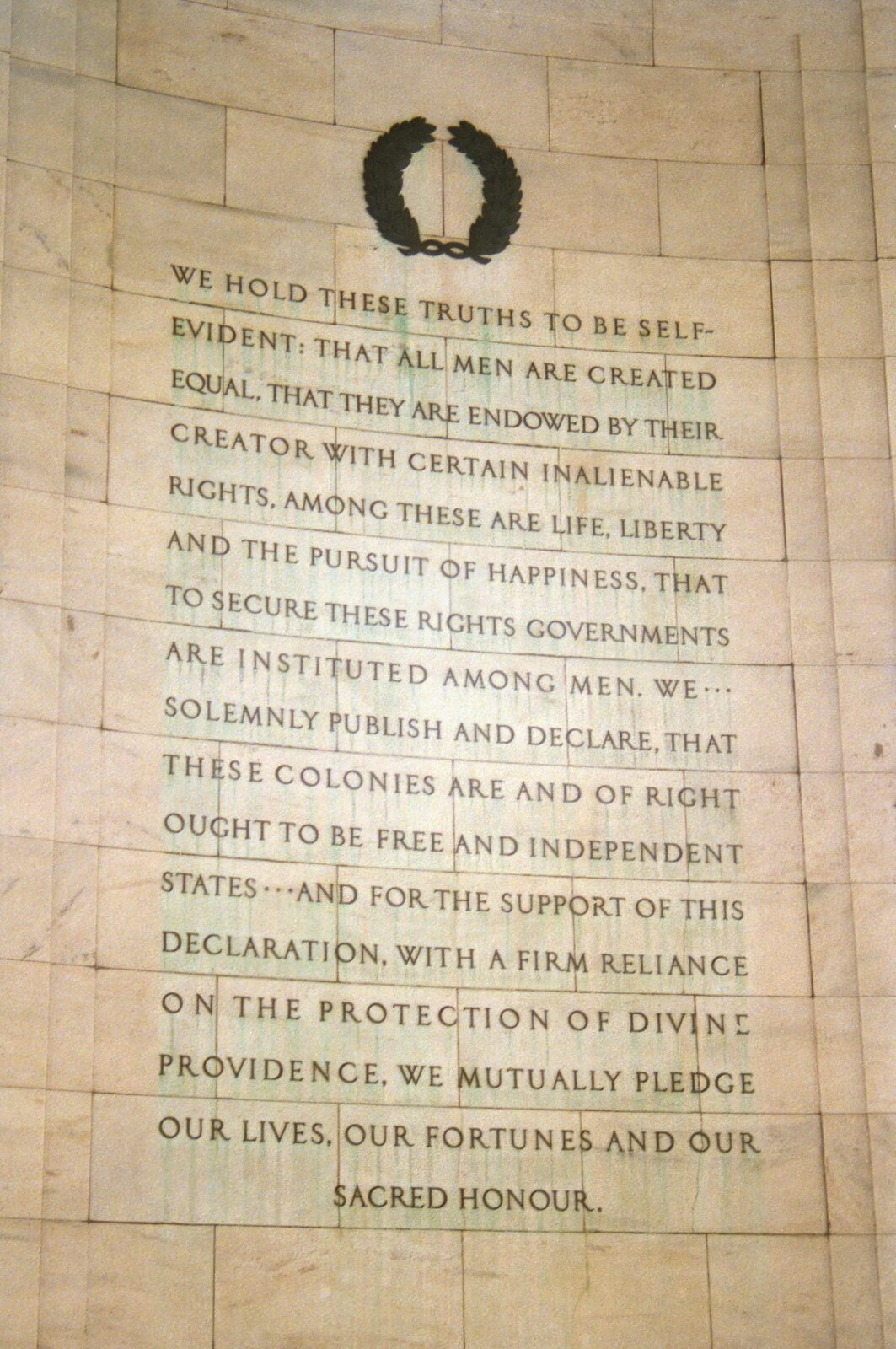
Previous Knowledge Students Should Have about the Declaration of Independence Materials Needed Document with quotes from Locke, Jefferson and Franklin about virtue in relation to citizenship, governance and the importance of education (also attached at the end of the lesson). Day One Opening (10 minutes) Provide the students with a visual of the two similar Virtue and the Social Contract

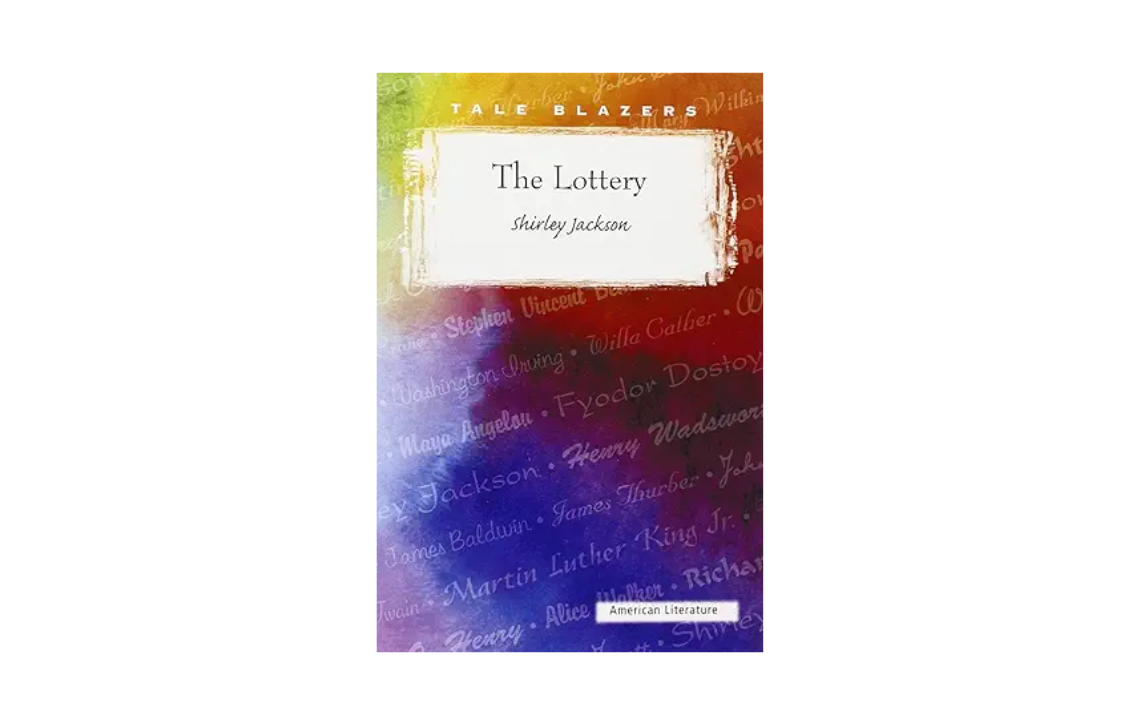
“The Lottery” by Shirley Jackson

Understanding Beliefs and Cultural Blindness Understanding Beliefs and Cultural Blindness Materials Needed Steps Involved 1. Introduction (10 minutes) Journal: Do you (or we, collectively as a society) have any rituals, customs, or celebrations where we may not understand where it originated or what the purpose serves?  2. Reading the Text (20 minutes) Facilitator: Distribute copies “The Lottery” by Shirley Jackson

Reconciliation #3 – Reparations

Before beginning this lesson plan, we recommend reading “Things to Think About Before Introducing Social Justice Topics.” This lesson plan can be read in conjunction with “Chapter 4. Reconciliation” (pp. 69-82) in the freely available teaching resource Coping: A Philosophical Guide (Open Book Publishers, 2021) with discussion questions (pp. 124–5) and additional teaching materials (p. Reconciliation #3 – Reparations

What is Happiness?

Ask the students to rank, from 1 to 8, the following activities according to how important they think each is for their happiness (1 is the most important on the list and 8 is the least important on the list). It can be helpful to prepare this list before the session and make a copy What is Happiness?

Media Ethics

Media ethics considers the code of ethics or moral rules that govern our media and communication practices. Conversations about media ethics can include what values or principles should guide our choices with respect to the communication of events and ideas. Facilitators or teachers can briefly discuss what media ethics is with their students, then go Media Ethics