Area: Metaphysics

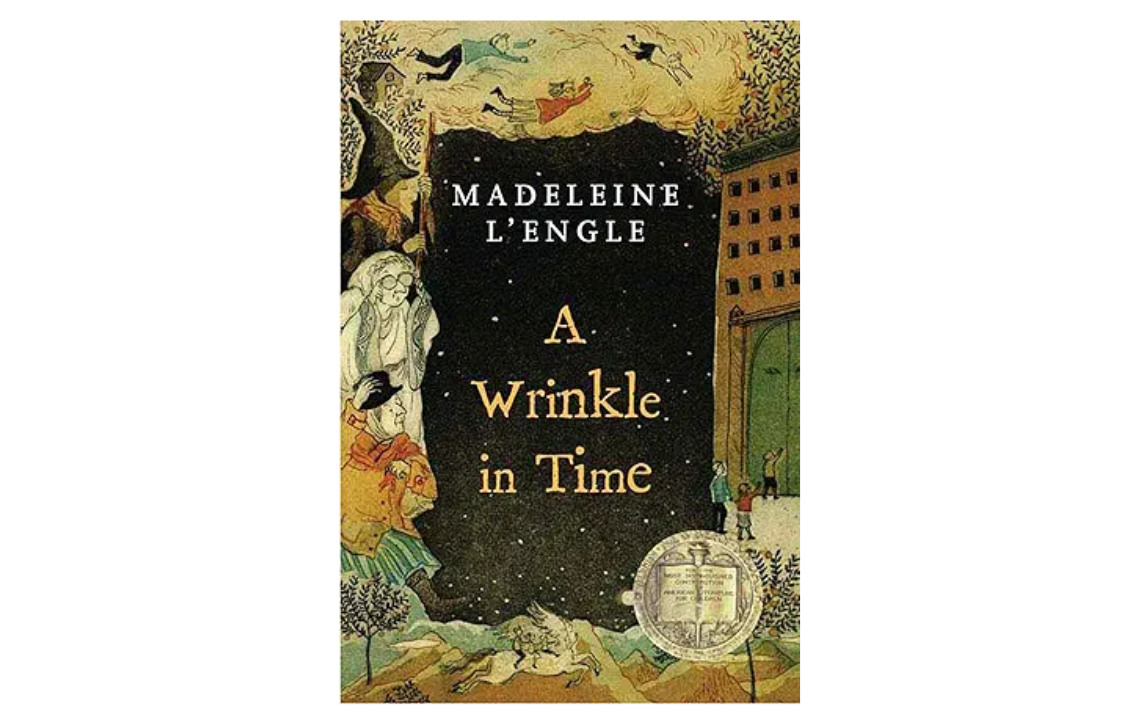
A Wrinkle in Time, by Madeleine L’Engle

Plot Summary: Meg Murry, her youngest brother Charles Wallace, and their new friend Calvin join forces with three intergalactic beings – Mrs. Which, Mrs. Whatsit, and Mrs. Who — to rescue Mr. Murry, Meg’s and Charles’ father, from IT, a source of evil and total mental control that devours individuality and self-perception. Discussion Questions:

Causation with Frog and Toad

This lesson plan can be used on its own or as an accompaniment to the Arnold Lobel Frog and Toad story, “The Garden.” Divide students into groups of 3-4. Ask each group to come up with 2-3 examples of the following three cases: See Discussion Questions tab for discussion prompts.

Reality Scavenger Hunt

Activity Description: Break the students into groups of three. Put the following list on the board and ask each group to come up with at least one thing that fits each category. Something that isn’t real but seems to be real Something that is real but seems not to be real Something you can’t tell Reality Scavenger Hunt

Dream Activity

Part 1: Have each person think of a dream they’ve had recently. After giving them a moment to think, go around in a circle and have each person share a bit about their dream. (Elementary school students may get exceptionally excited about sharing their dreams and may want to share an enormous amount of detail Dream Activity

Time & Identity

A Visually Guided Discussion Notes for teachers/facilitators: The years students spend in the classroom are some of the most meaningful for their self-awareness, identity developments, and opportunities for intellectual growth. This lesson provides a fun and tactile way for students to think about the concept of time: What is time? What is the tie between Time & Identity

Alive/Not Alive

Materials/Preparation: Before the session, write the names of various beings and things on note cards with one per note card. Examples include: CarrotsFlowersCarsFireDollsWaterDirtA squashed bugRabbits In the session: If the students are in a circle on the rug, place three pieces of paper in the middle of the circle. Write “Alive” on one, “Not Alive” Alive/Not Alive

Is it Dessert?

Half an orange and whole orange

Using whatever piece of fruit you have available, ask if that fruit is dessert. With this simple prompt, a rich discussion about the nature of dessert will develop. Is anything you eat after a meal dessert? Is it dessert if you ate it without eating a meal first? Does something need to be done to Is it Dessert?

Thinking about Imaginary Friends

This is an activity that works best with younger children (7-8 years old is ideal). There are several books that can prompt thinking about imaginary friends. You might try: These books can be used alone or one after another for a series of conversations about imaginary friends. You can read the book(s) and then ask Thinking about Imaginary Friends